
Gut
Menopause Bloating
Why bloating happens and simple, evidence-based ways to feel lighter.
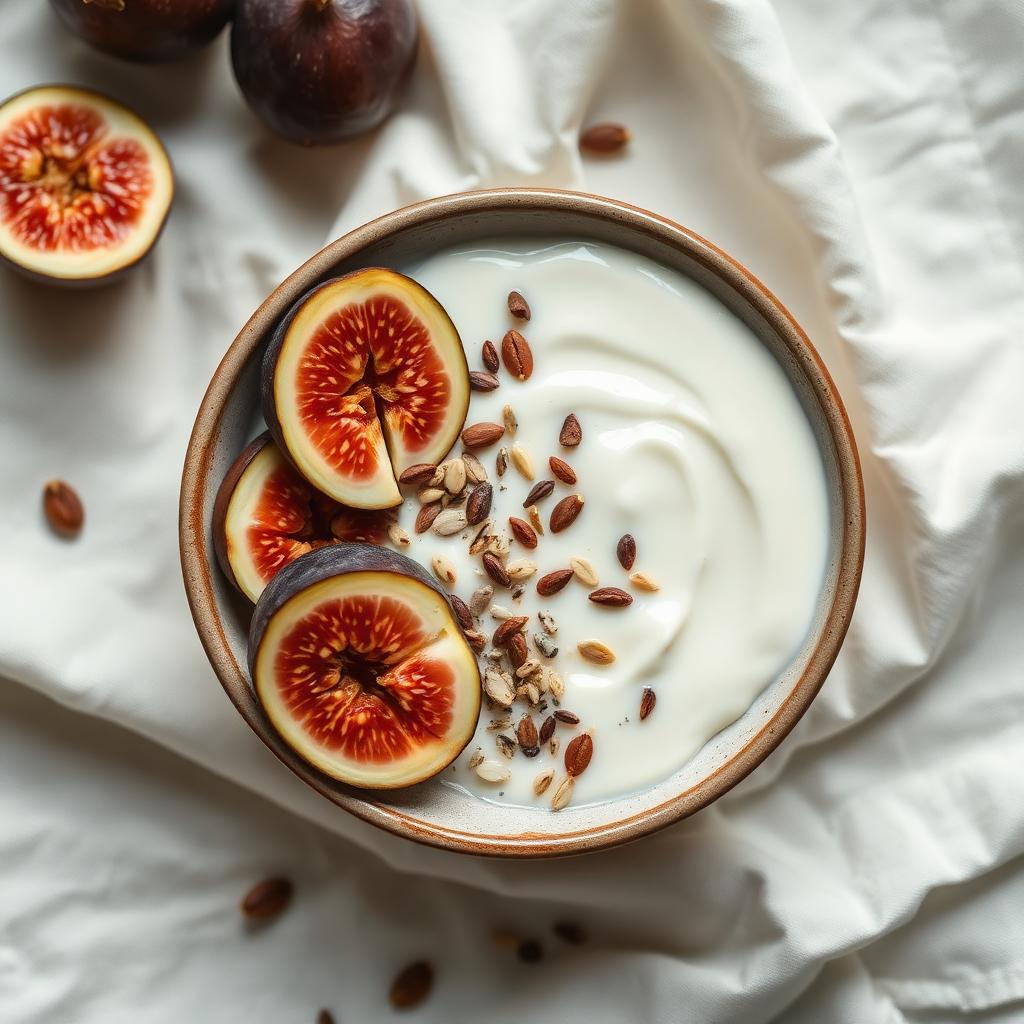
Bloating is one of the most under-discussed menopausal symptoms. This guide covers diet, gut health and hormonal contributors.
Bloating is one of the most-reported and least-discussed menopausal symptoms. It's rarely serious but is very treatable.
Common causes
- Slower gut transit due to falling progesterone.
- Fluid retention from cyclical hormone shifts.
- Food sensitivities more noticeable as the gut changes.
Daily changes that help
- Reduce ultra-processed foods and sugar-alcohol sweeteners.
- Eat slowly, chew fully; sit down for meals.
- Ginger and peppermint tea after meals.
When HRT helps
- Bloating that started with other menopausal symptoms often eases on HRT within 3 months.
Red flags to review
- Persistent bloating (more than 12 times a month) — needs GP review including ovarian cancer screening.
- Bloating with weight loss, changed bowel habit or blood.
How Dr Awal approaches this in clinic
Every consultation starts with your full story — symptoms, cycle, medical history, family history and what you've already tried. From there we look at whether hormonal treatment, non-hormonal options, lifestyle changes or a combination will give you the best result, and we tailor the plan to your age, risk factors and preferences.
- A detailed 60 minute first appointment — no rushed 10-minute slots.
- Evidence-based recommendations aligned with NICE NG23 and BMS guidance.
- Body-identical HRT considered first-line where appropriate.
- Shared-care letters sent to your NHS GP so treatment can continue affordably.
- Follow-up at 3 months to fine-tune your regimen and address side effects.
- Ongoing annual reviews so your plan evolves with you.
Common questions we hear about this
Do I need to be at a certain age to be seen?
No. We see women in early perimenopause (often late 30s and 40s), through post-menopause and beyond. Age alone doesn't decide whether treatment is right — symptoms, health history and goals do.
Will my GP continue the prescription?
In most cases yes. After your consultation we send a detailed shared-care letter with the diagnosis, treatment plan and rationale so your NHS GP can prescribe on the NHS. Not every practice accepts shared care — we'll discuss this in your appointment.
What if I've tried HRT before and it didn't suit me?
Very common — often the type, dose or route wasn't right rather than HRT itself. We review what you've tried, why it didn't work, and adjust accordingly. Many women who thought HRT wasn't for them do well on a different preparation.
How long will I need to stay on treatment?
There is no set upper time limit for HRT. Current BMS and NICE guidance supports continuing HRT for as long as the benefits outweigh the risks for you personally. We review this together every year so you stay in control of the decision.
Where do you see patients?
All consultations at Pause and Co Healthcare are conducted securely via video, allowing us to support patients anywhere in the UK. Prescriptions and shared care arrangements are managed in the same way, regardless of your location.
About the author
Dr Nadira Awal is a British Menopause Society Advanced Menopause Specialist with 15+ years' NHS and private experience. She holds the BMS Advanced Certificate in Menopause Care, sits on the BMS Programme Planning Group, and advises the UK Government Menopause Strategy Group. Read her full profile.
Sources & further reading
General information only — not a substitute for personalised medical advice. Always speak to your GP or a menopause specialist about your own situation.
Talk it through
Book a private consultation with Dr Awal
Get evidence-based, personalised advice on menopause bloating and any related concerns.
Related in Gut
Continue reading

Heartburn and the Menopause
Reflux, indigestion and hormonal changes — what actually works.
Read guide

IBS and Menopause
Untangling gut symptoms from hormonal change.
Read guide

Menopause & Diabetes Risk
How midlife hormones affect insulin, weight and diabetes risk — and how to protect yourself.
Read guide