
HRT
NHS vs Private HRT in the UK
How NHS and private HRT compare — costs, wait times, choice of preparations and how to transfer prescriptions.

Understand how NHS and private HRT differ in the UK: waiting times, breadth of preparations available, out-of-pocket costs versus the NHS HRT Prescription Prepayment Certificate, and how to switch care smoothly with a shared-care letter to your GP.
Choosing between NHS and private HRT often comes down to how quickly you need to be seen, how much choice you want over preparations, and what a shared-care arrangement with your GP looks like. Both routes prescribe from the same UK-licensed medicines and follow the same NICE and British Menopause Society (BMS) guidance — the difference is largely in access, time, and specialist depth.
What's the same on both routes
- The core medicines — body-identical oestradiol patches, gels and sprays, and micronised progesterone (Utrogestan) — are identical on the NHS and privately.
- UK prescribing is governed by the same NICE NG23 guideline and BMS consensus statements regardless of setting.
- The Mirena intrauterine system is available on both, and remains a first-line option for endometrial protection and contraception.
- Testosterone for low libido is prescribed off-licence in both settings, in line with the BMS testosterone tools for clinicians.
Where they differ in practice
- Wait times: NHS menopause specialist clinics often have 6–12 month waits; private appointments with Dr Awal are usually available within a week.
- Consultation length: NHS GP appointments are typically 10 minutes; private new-patient consultations here are a full 60 minutes.
- Breadth of choice: private clinics can review testosterone, compounded vaginal preparations and every UK-licensed HRT option in one visit.
- Costs: NHS HRT is £9.90 per item or £19.80/year with the HRT Prescription Prepayment Certificate (HRT PPC). Private prescriptions are paid at pharmacy price plus a consultation fee.
- Continuity: private clinics tend to offer the same clinician at every review; NHS continuity depends on your practice.
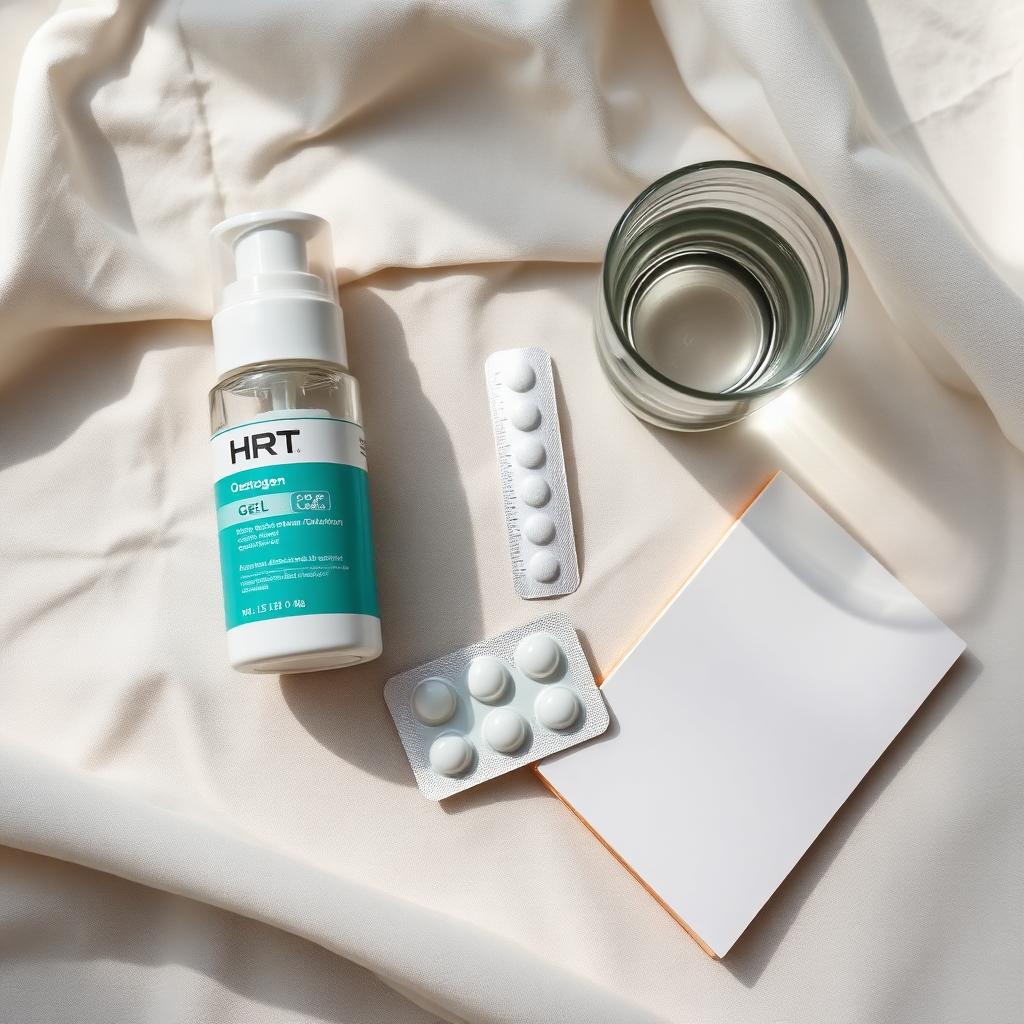
Understanding the HRT PPC — a common source of confusion
- The HRT PPC covers HRT items prescribed on the NHS only, not private prescriptions.
- It costs £19.80 for 12 months and covers unlimited HRT items in that time — useful if you're stable on NHS HRT.
- If a private clinic writes an FP10 NHS prescription under a shared-care agreement, the PPC applies.
- If a private clinic writes a private prescription (typical for the first few months while your regimen is optimised), the PPC does not apply.
Transferring between the two routes
- After a private review, we send a detailed shared-care letter to your NHS GP so they can continue prescribing on the NHS.
- Not every GP accepts shared care — particularly for testosterone or off-licence doses — we discuss this openly in the consultation.
- Many patients stay private for the first 3–6 months while the regimen is fine-tuned, then move to NHS repeat prescriptions once stable.
- You can move back to private at any point if symptoms change, a new preparation is needed, or you want a specialist review.

When private makes most sense
- You want a longer, unrushed consultation with a BMS-certified specialist.
- You need testosterone or a complex regimen your GP is not confident prescribing.
- You've been on a waiting list for months and symptoms are affecting work, sleep, mood or relationships.
- You have a personal history (migraine with aura, previous clot, breast cancer, endometriosis) that needs specialist input.
When staying on the NHS is usually the right call
- Your GP is confident, willing to prescribe body-identical HRT, and appointments are available in a reasonable timeframe.
- You're stable on your current regimen and simply need repeat prescriptions and annual reviews.
- Cost is a significant factor and the HRT PPC covers what you need.
Key takeaway
Both NHS and private HRT can be excellent — the right route depends on how quickly you need to be seen, whether you need specialist depth or off-licence prescribing, and what shared care with your GP looks like.
How Dr Awal approaches this in clinic
Every consultation starts with your full story — symptoms, cycle, medical history, family history and what you've already tried. From there we look at whether hormonal treatment, non-hormonal options, lifestyle changes or a combination will give you the best result, and we tailor the plan to your age, risk factors and preferences.
- A detailed 60 minute first appointment — no rushed 10-minute slots.
- Evidence-based recommendations aligned with NICE NG23 and BMS guidance.
- Body-identical HRT considered first-line where appropriate.
- Shared-care letters sent to your NHS GP so treatment can continue affordably.
- Follow-up at 3 months to fine-tune your regimen and address side effects.
- Ongoing annual reviews so your plan evolves with you.
Common questions we hear about this
Do I need to be at a certain age to be seen?
No. We see women in early perimenopause (often late 30s and 40s), through post-menopause and beyond. Age alone doesn't decide whether treatment is right — symptoms, health history and goals do.
Will my GP continue the prescription?
In most cases yes. After your consultation we send a detailed shared-care letter with the diagnosis, treatment plan and rationale so your NHS GP can prescribe on the NHS. Not every practice accepts shared care — we'll discuss this in your appointment.
What if I've tried HRT before and it didn't suit me?
Very common — often the type, dose or route wasn't right rather than HRT itself. We review what you've tried, why it didn't work, and adjust accordingly. Many women who thought HRT wasn't for them do well on a different preparation.
How long will I need to stay on treatment?
There is no set upper time limit for HRT. Current BMS and NICE guidance supports continuing HRT for as long as the benefits outweigh the risks for you personally. We review this together every year so you stay in control of the decision.
Where do you see patients?
All consultations at Pause and Co Healthcare are conducted securely via video, allowing us to support patients anywhere in the UK. Prescriptions and shared care arrangements are managed in the same way, regardless of your location.
About the author
Dr Nadira Awal is a British Menopause Society Advanced Menopause Specialist with 15+ years' NHS and private experience. She holds the BMS Advanced Certificate in Menopause Care, sits on the BMS Programme Planning Group, and advises the UK Government Menopause Strategy Group. Read her full profile.
Sources & further reading
General information only — not a substitute for personalised medical advice. Always speak to your GP or a menopause specialist about your own situation.
Talk it through
Book a private consultation with Dr Awal
Get evidence-based, personalised advice on nhs vs private hrt in the uk and any related concerns.
Related in HRT
Continue reading
A Comprehensive Guide to HRT
Types of HRT, oestrogen vs progesterone, benefits, side effects — and how to manage them.
Read guide
HRT Shortages in the UK
Why HRT supply issues happen, current UK availability and safe swaps if your prescription is unavailable.
Read guide

HRT and Breast Cancer Risk — What the UK Evidence Says
The real numbers behind HRT and breast cancer risk, put in plain-English context for UK women.
Read guide