
HRT
Transdermal vs Oral HRT
Why UK specialists usually prefer patches, gels and sprays over tablets — and when tablets still fit.
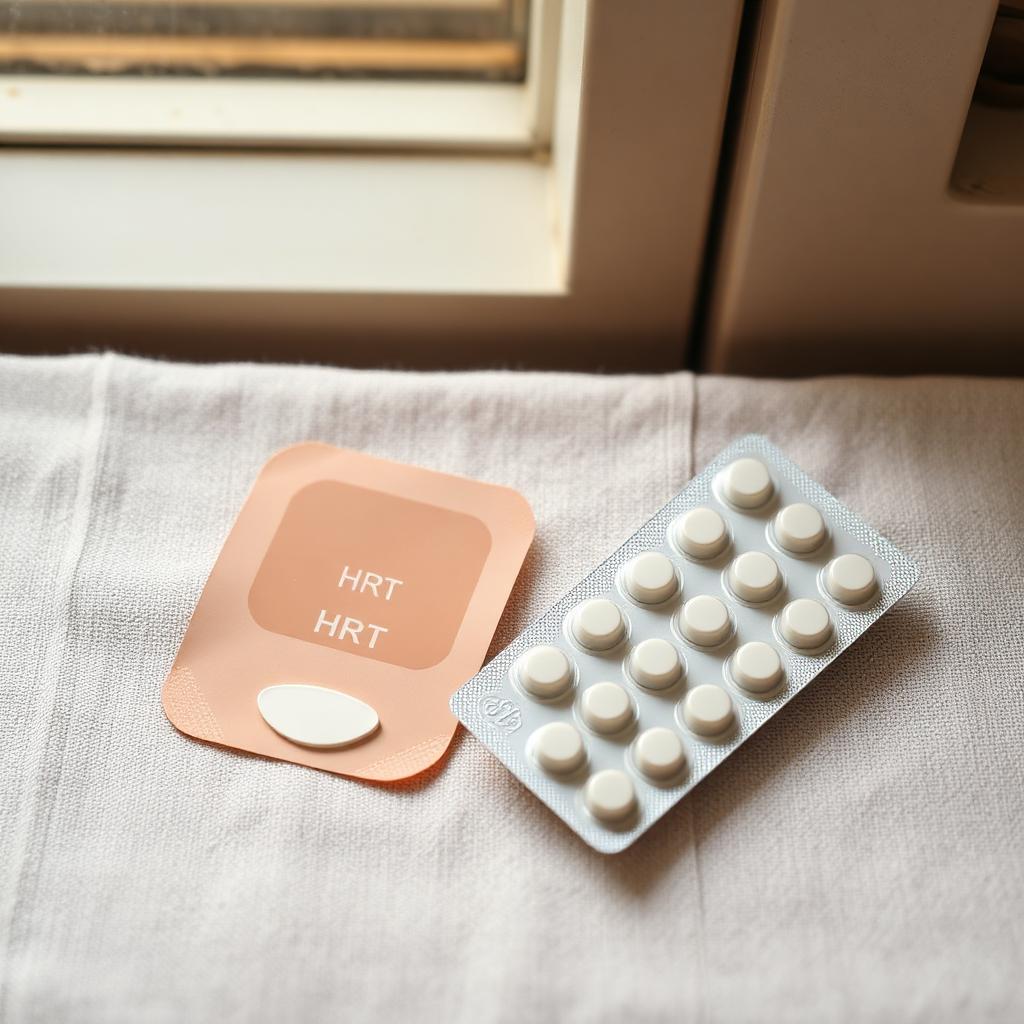
Skin-based oestrogen bypasses the liver, keeping clot risk in line with the background population. Oral oestrogen still has a place for women who can't tolerate patches or gels.
The route you take oestrogen matters more than most women — and, unfortunately, more than some GPs — realise. Skin (transdermal) and mouth (oral) oestrogens deliver the same active hormone (oestradiol) but produce very different biological effects, because oral oestrogen goes through the liver before reaching the bloodstream. That single anatomical detail changes the clotting profile, the blood pressure impact, the effect on triglycerides and SHBG, and the interaction with migraines. For the majority of UK women, transdermal is the correct default. Oral remains a legitimate option in specific situations. This is not ideology — it is pharmacology.
Why transdermal is usually first-line
- No measurable increase in venous thromboembolism (VTE / blood clot) risk at standard transdermal doses — even in women with baseline risk factors.
- Steady blood levels, without the peaks and troughs of daily tablets — kinder to migraine, mood, sleep and blood pressure.
- Bypasses first-pass hepatic metabolism, so no rise in clotting factors, C-reactive protein or SHBG.
- Preferred for women with any personal or family history of clot, migraine (with or without aura), high BMI, hypertension, gallbladder disease, active liver disease, or on medications that raise clot risk.
- Easy dose titration in small steps (half a pump of gel, two sprays, quarter of a patch).
The transdermal options in detail
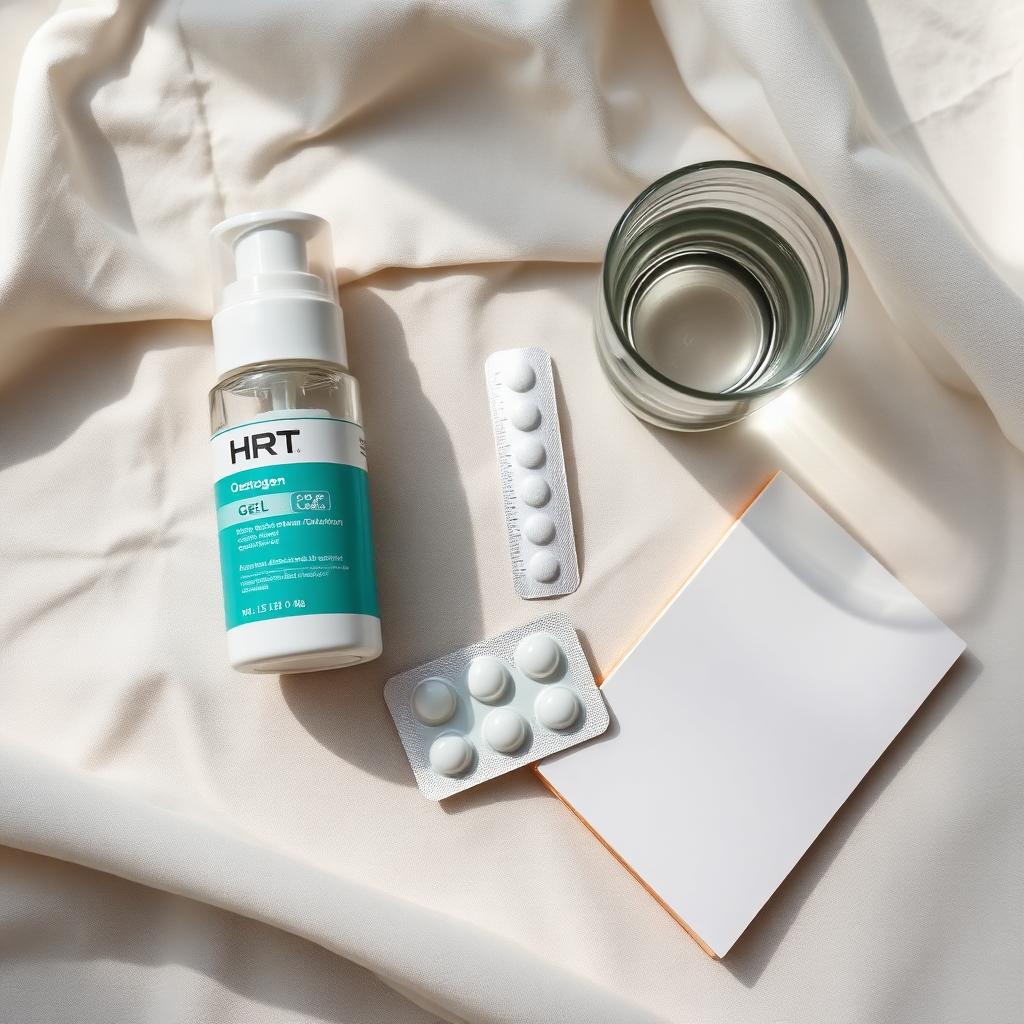
- Patches (Evorel, Estradot, FemSeven, Estraderm) — change twice weekly, discreet, useful for women who dislike daily routines. Adhesive can irritate sensitive skin.
- Gel (Oestrogel — pump packs; Sandrena — sachets) — daily application to inner thigh or upper arm; dries in 2–3 minutes; extremely flexible dosing.
- Spray (Lenzetto) — 1–3 sprays to inner forearm daily; dries in 60–90 seconds; discreet and good for sensitive skin.
- All available on NHS prescription with the HRT PPC (£19.80/year covers all HRT items).
When oral oestrogen still fits
- Persistent adhesion or skin problems with patches AND intolerance of gel and spray — genuinely unusual, but real.
- Strong personal preference for a daily tablet in a woman with low baseline VTE risk (no personal or family clot history, BMI under 30, no migraines with aura, no smoking).
- Cost or supply issues with a specific transdermal product where an oral alternative is the only reliable option.
- Historic use with excellent tolerability and no risk factors — the ‘don’t fix what isn’t broken’ situation.
Where the risk profile diverges
- VTE: oral oestrogen roughly doubles baseline VTE risk (still low in absolute terms — 1–2 extra cases per 1,000 women per year). Transdermal does not.
- Stroke: modestly increased with oral oestrogen; not with transdermal.
- Blood pressure: oral can raise triglycerides and blood pressure; transdermal has neutral effect.
- Migraine: oral fluctuations can trigger; transdermal is usually well tolerated even in migraine with aura.
- Breast: dose-dependent for both routes; body-identical progesterone (Utrogestan) is the more important variable here.

The progestogen half — often overlooked
- Micronised progesterone (Utrogestan) — body-identical, taken orally at night, best tolerated with the most favourable breast cancer risk profile.
- Mirena intrauterine system — 5 years of contraception AND endometrial protection in one device; excellent for women who want the neatest option.
- Older synthetic progestogens (norethisterone, MPA, dydrogesterone) — still used, but no longer first-line where alternatives are appropriate.
Practical tips for transdermal users
- Patches: change twice weekly, alternate sites (buttock, lower back, upper thigh), avoid the breast area.
- Gel: apply to a large area (inner thigh, upper arm), wait 5 minutes before dressing, don’t bathe or swim for an hour after application.
- Spray: single arm, dry for 60 seconds; hair on arms doesn’t reduce absorption; suncream and moisturisers can — apply first.
- If absorption seems poor, don’t double the dose blindly — check application technique and consider a switch of product.
The bottom line
- There is no single best HRT — there is a best HRT for you at this point in your life.
- Default: transdermal oestrogen + micronised progesterone (or Mirena) for most women.
- Deviation from default: only with a specific reason, documented in your notes.
- Route can be changed at any point if life circumstances or risk factors change.
Key takeaway
For most UK women, transdermal oestrogen plus micronised progesterone (or a Mirena) is the right default — safer for clots, kinder to blood pressure and migraines, and easier to titrate. Oral remains a legitimate option in specific, considered situations.
How Dr Awal approaches this in clinic
Every consultation starts with your full story — symptoms, cycle, medical history, family history and what you've already tried. From there we look at whether hormonal treatment, non-hormonal options, lifestyle changes or a combination will give you the best result, and we tailor the plan to your age, risk factors and preferences.
- A detailed 60 minute first appointment — no rushed 10-minute slots.
- Evidence-based recommendations aligned with NICE NG23 and BMS guidance.
- Body-identical HRT considered first-line where appropriate.
- Shared-care letters sent to your NHS GP so treatment can continue affordably.
- Follow-up at 3 months to fine-tune your regimen and address side effects.
- Ongoing annual reviews so your plan evolves with you.
Common questions we hear about this
Do I need to be at a certain age to be seen?
No. We see women in early perimenopause (often late 30s and 40s), through post-menopause and beyond. Age alone doesn't decide whether treatment is right — symptoms, health history and goals do.
Will my GP continue the prescription?
In most cases yes. After your consultation we send a detailed shared-care letter with the diagnosis, treatment plan and rationale so your NHS GP can prescribe on the NHS. Not every practice accepts shared care — we'll discuss this in your appointment.
What if I've tried HRT before and it didn't suit me?
Very common — often the type, dose or route wasn't right rather than HRT itself. We review what you've tried, why it didn't work, and adjust accordingly. Many women who thought HRT wasn't for them do well on a different preparation.
How long will I need to stay on treatment?
There is no set upper time limit for HRT. Current BMS and NICE guidance supports continuing HRT for as long as the benefits outweigh the risks for you personally. We review this together every year so you stay in control of the decision.
Where do you see patients?
All consultations at Pause and Co Healthcare are conducted securely via video, allowing us to support patients anywhere in the UK. Prescriptions and shared care arrangements are managed in the same way, regardless of your location.
About the author
Dr Nadira Awal is a British Menopause Society Advanced Menopause Specialist with 15+ years' NHS and private experience. She holds the BMS Advanced Certificate in Menopause Care, sits on the BMS Programme Planning Group, and advises the UK Government Menopause Strategy Group. Read her full profile.
Sources & further reading
General information only — not a substitute for personalised medical advice. Always speak to your GP or a menopause specialist about your own situation.
Talk it through
Book a private consultation with Dr Awal
Get evidence-based, personalised advice on transdermal vs oral hrt and any related concerns.
Related in HRT
Continue reading
A Comprehensive Guide to HRT
Types of HRT, oestrogen vs progesterone, benefits, side effects — and how to manage them.
Read guide

NHS vs Private HRT in the UK
How NHS and private HRT compare — costs, wait times, choice of preparations and how to transfer prescriptions.
Read guide
HRT Shortages in the UK
Why HRT supply issues happen, current UK availability and safe swaps if your prescription is unavailable.
Read guide