
HRT
Vaginal Oestrogen — A Small Dose, Big Difference
Local oestrogen for dryness, urinary symptoms and painful sex — safe long-term for most women.
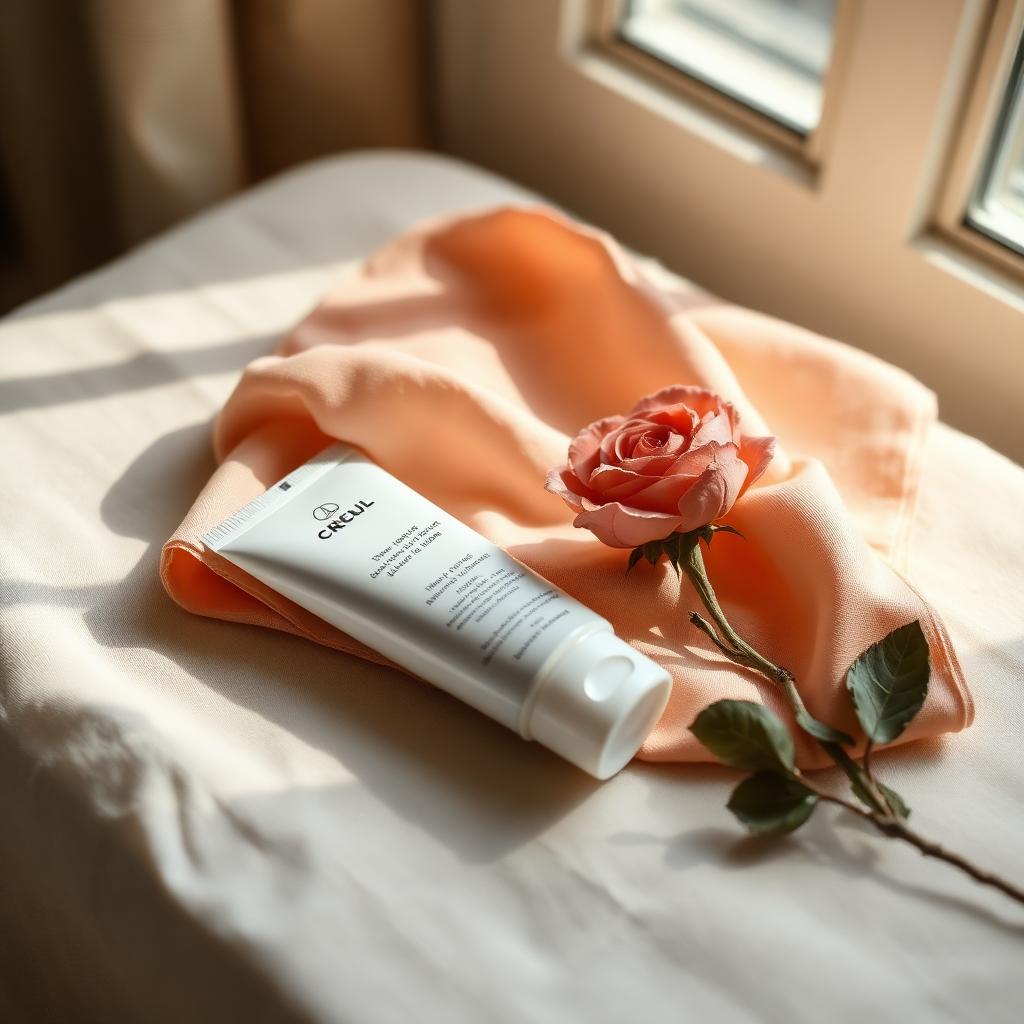
Vaginal oestrogen barely enters the bloodstream. It can be used long term, alongside systemic HRT, and often alongside a breast-cancer history after specialist review.
Vaginal oestrogen is quietly one of the most transformative — and safest — medicines in menopause care. It works locally on the vulva, vagina, urethra and bladder trigone, with such minimal systemic absorption that plasma oestradiol stays in the normal postmenopausal range even after years of use. It treats a chronic, progressive condition (genitourinary syndrome of menopause, GSM) that affects up to 70% of postmenopausal women and, without treatment, virtually always gets worse over time. Yet it remains under-prescribed and often used for far too short a course. If we could get one thing right at a population level in UK menopause care, it would be lifetime access to vaginal oestrogen for the women who need it.
Why it's so useful
- Effectively reverses vaginal atrophy — the tissues thicken, re-vascularise and re-lubricate over 8–12 weeks.
- Treats vaginal dryness, itching, burning, painful sex, splitting at the fourchette, and bleeding after sex.
- Reduces urinary urgency, frequency, dysuria and recurrent UTIs by around 50–75% in postmenopausal women — more effective than most preventive antibiotics.
- Restores healthy vaginal pH and microbiome — protective lactobacilli return.
- Safe alongside systemic HRT — they do different jobs, and 30–40% of women on adequate systemic HRT still need local treatment.
- Safe long-term: this is a chronic condition, and stopping treatment causes symptoms to return within weeks to months.
UK-licensed forms available
- Vagifem / Vagirux (10 mcg estradiol) — small pessaries, nightly for 2 weeks then twice weekly. Popular, discreet, evidence-rich.
- Imvaggis (0.03 mg estriol) — pessary form of estriol, useful alternative if estradiol not tolerated.
- Ovestin cream (0.1% estriol) — 0.5–1 g applied vaginally or vulvally, flexible dosing. Excellent for vulval symptoms and the vaginal opening.
- Blissel gel (0.005% estriol) — pre-measured applicator, small doses, well-tolerated.
- Estring — a low-dose oestradiol ring inserted vaginally; one ring lasts 3 months. Convenient, particularly useful for women who dislike creams or pessaries.
- Gynest (0.01% estriol) cream — an older UK option, still available.
How to use it properly
- Start with nightly dosing for 2 weeks, then reduce to twice weekly indefinitely — the maintenance dose that most women stay on for life.
- Insert at bedtime — gravity helps distribution, and any residue absorbs during the night.
- Apply cream or gel to the vulva and vaginal opening as well as internally — many women's most symptomatic tissue is external, not deep vaginal.
- Give it 8–12 weeks for full benefit — do not judge in the first month.
- Use a good moisturiser (Yes VM, Regelle, Sylk, Hyalofemme) 2–3 times weekly between doses — a stacked approach transforms comfort.
- Water- or silicone-based lubricant at the moment of sex; avoid glycerin, propylene glycol and warming additives.
Common myths, addressed
- 'It's the same as HRT for breast cancer risk' — it is not. Systemic absorption is negligible; the endometrium and breast are not clinically stimulated at standard doses.
- 'You have to stop after a few months' — you do not. It is chronic maintenance therapy, like a moisturiser for a chronic skin condition. Stopping causes recurrence.
- 'You need to take progestogen with it' — you do not, at standard vaginal doses. Endometrial stimulation is not clinically relevant.
- 'It causes bleeding' — it doesn't cause postmenopausal bleeding; any bleeding on treatment still needs same-week investigation.
- 'It's only for older women' — women with premature ovarian insufficiency, surgical menopause and even some breast cancer survivors benefit greatly.
After breast cancer — nuance and reassurance
- Most women with a history of breast cancer can safely use vaginal oestrogen after discussion with their oncology team.
- On tamoxifen (a partial oestrogen blocker): vaginal oestrogen is usually considered acceptable, with informed consent.
- On aromatase inhibitors (which drive oestradiol to near-zero): prasterone (Intrarosa, vaginal DHEA) or non-hormonal moisturisers and lubricants are often tried first, but vaginal oestrogen is not universally banned — a case-by-case conversation is appropriate.
- Quality of life, sexual function and recurrent UTI prevention often justify the discussion.
What good treatment looks like at 12 weeks
- Vulvovaginal comfort with sitting, exercise and clothing.
- Sex comfortable with lubricant, no splitting or bleeding.
- Urinary urgency and UTI frequency reduced by 50%+.
- Discharge normal, no thrush-like symptoms.
- If symptoms persist: reassess dose, add pelvic floor physiotherapy, consider prasterone or ospemifene, and screen for vulval skin conditions like lichen sclerosus.
When to escalate to specialist review
- Persistent pain, splitting or bleeding despite 12 weeks of good treatment.
- White patches, tightening or architectural change of the vulva — suspect lichen sclerosus.
- Recurrent UTIs despite vaginal oestrogen — urology and pelvic floor review.
- Any postmenopausal bleeding — same-week assessment, regardless of vaginal oestrogen use.
Key takeaway
Vaginal oestrogen is one of the safest, most effective medicines we have. Think of it like moisturiser for a chronic condition — used long-term, at low doses, alone or alongside systemic HRT, and transformative for comfort, sex life and bladder health.
How Dr Awal approaches this in clinic
Every consultation starts with your full story — symptoms, cycle, medical history, family history and what you've already tried. From there we look at whether hormonal treatment, non-hormonal options, lifestyle changes or a combination will give you the best result, and we tailor the plan to your age, risk factors and preferences.
- A detailed 60 minute first appointment — no rushed 10-minute slots.
- Evidence-based recommendations aligned with NICE NG23 and BMS guidance.
- Body-identical HRT considered first-line where appropriate.
- Shared-care letters sent to your NHS GP so treatment can continue affordably.
- Follow-up at 3 months to fine-tune your regimen and address side effects.
- Ongoing annual reviews so your plan evolves with you.
Common questions we hear about this
Do I need to be at a certain age to be seen?
No. We see women in early perimenopause (often late 30s and 40s), through post-menopause and beyond. Age alone doesn't decide whether treatment is right — symptoms, health history and goals do.
Will my GP continue the prescription?
In most cases yes. After your consultation we send a detailed shared-care letter with the diagnosis, treatment plan and rationale so your NHS GP can prescribe on the NHS. Not every practice accepts shared care — we'll discuss this in your appointment.
What if I've tried HRT before and it didn't suit me?
Very common — often the type, dose or route wasn't right rather than HRT itself. We review what you've tried, why it didn't work, and adjust accordingly. Many women who thought HRT wasn't for them do well on a different preparation.
How long will I need to stay on treatment?
There is no set upper time limit for HRT. Current BMS and NICE guidance supports continuing HRT for as long as the benefits outweigh the risks for you personally. We review this together every year so you stay in control of the decision.
Where do you see patients?
All consultations at Pause and Co Healthcare are conducted securely via video, allowing us to support patients anywhere in the UK. Prescriptions and shared care arrangements are managed in the same way, regardless of your location.
About the author
Dr Nadira Awal is a British Menopause Society Advanced Menopause Specialist with 15+ years' NHS and private experience. She holds the BMS Advanced Certificate in Menopause Care, sits on the BMS Programme Planning Group, and advises the UK Government Menopause Strategy Group. Read her full profile.
Sources & further reading
General information only — not a substitute for personalised medical advice. Always speak to your GP or a menopause specialist about your own situation.
Talk it through
Book a private consultation with Dr Awal
Get evidence-based, personalised advice on vaginal oestrogen — a small dose, big difference and any related concerns.
Related in HRT
Continue reading
A Comprehensive Guide to HRT
Types of HRT, oestrogen vs progesterone, benefits, side effects — and how to manage them.
Read guide
NHS vs Private HRT in the UK
How NHS and private HRT compare — costs, wait times, choice of preparations and how to transfer prescriptions.
Read guide
HRT Shortages in the UK
Why HRT supply issues happen, current UK availability and safe swaps if your prescription is unavailable.
Read guide