
Long-term
Blood Pressure in Menopause
Why blood pressure climbs in midlife — and how to keep it in a healthy range.
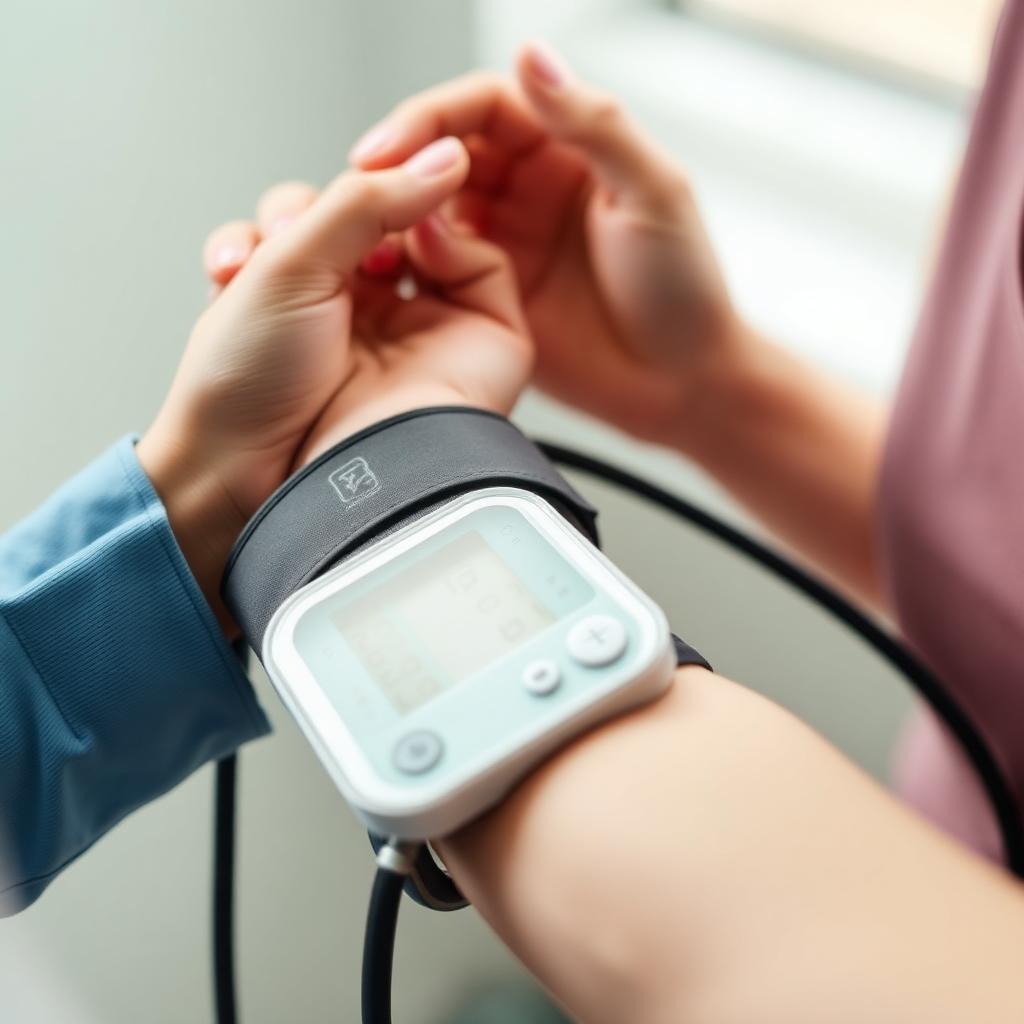
Sleep, alcohol, stress and weight all shift after menopause. Home monitoring plus modest lifestyle changes prevent most midlife hypertension.
Blood pressure is one of the quietest and most consequential midlife health metrics. Before menopause, women are largely protected from hypertension by oestrogen's vasodilating and anti-inflammatory effects. After menopause, that protection lifts, and blood pressure typically rises by 5–10 mmHg over the following decade — usually without any symptoms at all. By 60, women overtake men in hypertension prevalence. Untreated, this is the single biggest driver of stroke, heart attack, kidney disease and vascular dementia in older women. Yet it's one of the easiest things to catch, one of the cheapest to treat, and one of the most under-monitored in UK women aged 45–65. A £20 home monitor and a Sunday morning routine is a genuinely life-saving investment.
Why blood pressure rises after menopause
- Loss of oestrogen reduces nitric oxide availability — arteries become stiffer and constrict more easily.
- The renin–angiotensin system becomes more active without oestrogenic restraint, increasing sodium and water retention.
- Central adiposity (visceral fat around the middle) rises after menopause, driving insulin resistance and further blood pressure elevation.
- Sleep disruption from night sweats and untreated sleep apnoea (also more common in postmenopausal women) elevates blood pressure independently.
- Rising alcohol intake — the quiet perimenopausal creep — is one of the most common modifiable drivers.
Home monitoring done right
- Buy a British Hypertension Society (BHS) validated upper-arm monitor — around £20–£40 (Omron, A&D Medical). Avoid wrist monitors.
- Correct cuff size matters — measure your upper arm and choose accordingly.
- Take readings twice daily (morning and evening) for 7 days if any reading is borderline; twice weekly for ongoing monitoring.
- Same arm each time, seated with back supported, feet flat on the floor, arm at heart level, no talking, after 5 minutes' rest.
- Take 2 readings a minute apart; record the second (the first is often falsely elevated).
- Discard the first day's readings; average the rest. Keep a log for GP appointments.
Targets for midlife women
- Home BP average below 135/85 mmHg for most healthy midlife women.
- Below 130/80 if you have diabetes, chronic kidney disease, established cardiovascular disease, or high cardiovascular risk.
- Below 130/80 in pregnancy or planning pregnancy — different rules.
- Any single reading above 180/110 mmHg needs same-day medical review.
Lifestyle levers — in order of impact
- Alcohol reduction — cutting from 14+ units/week to under 5 can drop systolic BP by 5–7 mmHg. The single highest-yield change for many midlife women.
- Weight loss where BMI is raised — every 1 kg lost lowers systolic BP by around 1 mmHg.
- Salt reduction — target under 6 g/day (a teaspoon); read labels, cut processed foods and sauces.
- Sleep — treat night sweats, screen for sleep apnoea (STOP-Bang if snoring or unrefreshing sleep).
- Movement — 150 minutes moderate exercise weekly reduces systolic BP by 4–8 mmHg.
- Potassium — leafy greens, beans, bananas, tomatoes, avocados; DASH diet pattern is well-evidenced.
- Stress and untreated anxiety — chronic sympathetic drive raises BP; mindfulness, CBT and paced breathing help.

HRT and blood pressure — the reassurance
- Transdermal HRT (patches, gel, spray) does not raise blood pressure and is safe in well-controlled hypertension.
- Oral HRT can raise BP slightly in a small minority — transdermal is preferred in women with hypertension.
- Uncontrolled severe hypertension should be stabilised before starting HRT, not used as a reason to withhold it long-term.
- If BP rises after starting HRT, review sodium, alcohol, weight and sleep first — not automatically stop HRT.
When to consider medication
- Persistent home BP readings above 135/85 despite 3 months of proper lifestyle changes.
- Any BP above 150/95 usually warrants medication alongside lifestyle work.
- First-line UK options for women under 55: ACE inhibitors (ramipril, lisinopril) or ARBs (losartan, candesartan).
- Over 55 or of African/Caribbean heritage: calcium channel blockers (amlodipine) are first-line.
- Combinations are often needed — this is normal, not failure.
Screen and treat the whole cardiovascular picture
- Check cholesterol (full lipid profile) at least every 5 years from 40, more often if raised.
- HbA1c annually if any risk factors — diabetes and hypertension together are particularly damaging.
- QRISK3 score — a UK-validated 10-year cardiovascular risk calculator — helps guide statin decisions and lifestyle intensity.
- Menopause and cardiovascular risk are inseparable — one review should cover both.
Key takeaway
Blood pressure is one of the highest-yield midlife metrics — measure it, don't guess. A £20 home monitor and 5 minutes on a Sunday morning genuinely saves lives.
How Dr Awal approaches this in clinic
Every consultation starts with your full story — symptoms, cycle, medical history, family history and what you've already tried. From there we look at whether hormonal treatment, non-hormonal options, lifestyle changes or a combination will give you the best result, and we tailor the plan to your age, risk factors and preferences.
- A detailed 60 minute first appointment — no rushed 10-minute slots.
- Evidence-based recommendations aligned with NICE NG23 and BMS guidance.
- Body-identical HRT considered first-line where appropriate.
- Shared-care letters sent to your NHS GP so treatment can continue affordably.
- Follow-up at 3 months to fine-tune your regimen and address side effects.
- Ongoing annual reviews so your plan evolves with you.
Common questions we hear about this
Do I need to be at a certain age to be seen?
No. We see women in early perimenopause (often late 30s and 40s), through post-menopause and beyond. Age alone doesn't decide whether treatment is right — symptoms, health history and goals do.
Will my GP continue the prescription?
In most cases yes. After your consultation we send a detailed shared-care letter with the diagnosis, treatment plan and rationale so your NHS GP can prescribe on the NHS. Not every practice accepts shared care — we'll discuss this in your appointment.
What if I've tried HRT before and it didn't suit me?
Very common — often the type, dose or route wasn't right rather than HRT itself. We review what you've tried, why it didn't work, and adjust accordingly. Many women who thought HRT wasn't for them do well on a different preparation.
How long will I need to stay on treatment?
There is no set upper time limit for HRT. Current BMS and NICE guidance supports continuing HRT for as long as the benefits outweigh the risks for you personally. We review this together every year so you stay in control of the decision.
Where do you see patients?
All consultations at Pause and Co Healthcare are conducted securely via video, allowing us to support patients anywhere in the UK. Prescriptions and shared care arrangements are managed in the same way, regardless of your location.
About the author
Dr Nadira Awal is a British Menopause Society Advanced Menopause Specialist with 15+ years' NHS and private experience. She holds the BMS Advanced Certificate in Menopause Care, sits on the BMS Programme Planning Group, and advises the UK Government Menopause Strategy Group. Read her full profile.
Sources & further reading
General information only — not a substitute for personalised medical advice. Always speak to your GP or a menopause specialist about your own situation.
Talk it through
Book a private consultation with Dr Awal
Get evidence-based, personalised advice on blood pressure in menopause and any related concerns.
Related in Long-term
Continue reading

Menopause & Cardiovascular Health
Why heart risk rises after menopause and what protects you.
Read guide

Cholesterol Changes in Menopause
Why LDL often rises after menopause and what actually helps.
Read guide

Osteoporosis Prevention in Midlife
Bone loss accelerates after menopause — HRT, calcium, vitamin D and weight-bearing exercise all count.
Read guide