
Long-term
Menopause & Cardiovascular Health
Why heart risk rises after menopause and what protects you.

Oestrogen protects blood vessels. After menopause, blood pressure, cholesterol and diabetes risk deserve active attention — and HRT started early may offer additional benefit.
Cardiovascular disease is the leading cause of death in UK women — more than all cancers combined. Menopause is not just a hormonal transition; it is a cardiovascular inflection point. In the decade around and after the final period, cholesterol, blood pressure, body composition and glucose handling all shift in the wrong direction, and the protective oestrogenic effect on the vascular endothelium is lost. Midlife is therefore the single most valuable window to change your long-term heart risk — the habits, screening and, in the right women, HRT choices you make in your 40s and 50s materially shape whether your 70s are active or limited. As a menopause specialist and GP, I frame this positively: this is an opportunity decade, not a decline decade.
What actually changes at menopause
- LDL cholesterol typically rises by 10–15%, HDL can fall, and small-dense LDL particles increase — a more atherogenic profile.
- Systolic and diastolic blood pressure creep up as arterial stiffness rises with oestradiol loss.
- Body composition shifts towards central (visceral) adiposity even without weight gain, driving inflammation.
- Insulin resistance rises; fasting glucose and HbA1c drift up; risk of type 2 diabetes accelerates.
- Endothelial nitric oxide production falls, reducing the arteries' ability to relax and adapt.
The evidence-based protective stack
- Mediterranean-style eating pattern — the strongest dietary evidence in midlife women (PREDIMED trial), with ~30% cardiovascular event reduction.
- 150 minutes/week of Zone 2 cardio plus 2 progressive strength sessions — muscle is a metabolic organ.
- Daily walking of 7,000–10,000 steps and reduced prolonged sitting.
- Sleep 7–9 hours: chronically short sleep raises BP, cortisol and insulin resistance.
- Alcohol within UK guidance (≤14 units/week, several alcohol-free days) and complete smoking cessation.
HRT and the heart — the timing hypothesis
- Transdermal oestradiol started within 10 years of menopause and before age 60 does not raise cardiovascular risk and may reduce it, per BMS and NICE NG23 guidance.
- Oral oestrogen carries a small increase in venous thromboembolism risk; transdermal preparations (patch, gel, spray) do not — first-line in most patients.
- Micronised progesterone (Utrogestan) has a neutral cardiovascular profile, unlike older synthetic progestogens.
- Starting HRT more than 10 years after menopause or over age 60 requires an individualised risk conversation — the vascular substrate has changed.
The numbers I ask patients to know
- Blood pressure below 135/85 mmHg on home readings (average of morning and evening over 7 days).
- QRISK3 score every 5 years from 40 — a free NHS tool that combines age, BP, cholesterol, smoking, family history and diabetes.
- Total cholesterol, LDL, HDL and non-HDL — check at your midlife review and every 3–5 years.
- HbA1c below 42 mmol/mol; fasting glucose below 6.0 mmol/L.
- Waist circumference under 80 cm (South Asian women: under 75 cm) is a stronger predictor than BMI alone.
Symptoms that need same-day assessment
- Women's heart attack presentations are more often atypical: jaw, neck or back pain, nausea, unusual breathlessness, profound fatigue, or 'flu-like' feeling.
- Any new central chest pain — call 999. Do not drive yourself to A&E.
- New palpitations with breathlessness or fainting — same-day GP or 111.
- Sudden severe headache, facial droop, arm weakness or slurred speech — FAST test, call 999.
Where a specialist review helps
- Personal or strong family history of early heart disease, stroke or clot.
- Migraine with aura — affects HRT route choice (transdermal is preferred).
- Existing hypertension, type 2 diabetes or high cholesterol at menopause.
- You want a QRISK3 review, a tailored HRT decision, and an individualised lifestyle plan in one appointment.
Key takeaway
Midlife is a cardiovascular opportunity, not just a risk. The habits, screening and hormone decisions you make now compound quietly for decades — invest early and the return is your independent, active 70s and 80s.
How Dr Awal approaches this in clinic
Every consultation starts with your full story — symptoms, cycle, medical history, family history and what you've already tried. From there we look at whether hormonal treatment, non-hormonal options, lifestyle changes or a combination will give you the best result, and we tailor the plan to your age, risk factors and preferences.
- A detailed 60 minute first appointment — no rushed 10-minute slots.
- Evidence-based recommendations aligned with NICE NG23 and BMS guidance.
- Body-identical HRT considered first-line where appropriate.
- Shared-care letters sent to your NHS GP so treatment can continue affordably.
- Follow-up at 3 months to fine-tune your regimen and address side effects.
- Ongoing annual reviews so your plan evolves with you.
Common questions we hear about this
Do I need to be at a certain age to be seen?
No. We see women in early perimenopause (often late 30s and 40s), through post-menopause and beyond. Age alone doesn't decide whether treatment is right — symptoms, health history and goals do.
Will my GP continue the prescription?
In most cases yes. After your consultation we send a detailed shared-care letter with the diagnosis, treatment plan and rationale so your NHS GP can prescribe on the NHS. Not every practice accepts shared care — we'll discuss this in your appointment.
What if I've tried HRT before and it didn't suit me?
Very common — often the type, dose or route wasn't right rather than HRT itself. We review what you've tried, why it didn't work, and adjust accordingly. Many women who thought HRT wasn't for them do well on a different preparation.
How long will I need to stay on treatment?
There is no set upper time limit for HRT. Current BMS and NICE guidance supports continuing HRT for as long as the benefits outweigh the risks for you personally. We review this together every year so you stay in control of the decision.
Where do you see patients?
All consultations at Pause and Co Healthcare are conducted securely via video, allowing us to support patients anywhere in the UK. Prescriptions and shared care arrangements are managed in the same way, regardless of your location.
About the author
Dr Nadira Awal is a British Menopause Society Advanced Menopause Specialist with 15+ years' NHS and private experience. She holds the BMS Advanced Certificate in Menopause Care, sits on the BMS Programme Planning Group, and advises the UK Government Menopause Strategy Group. Read her full profile.
Sources & further reading
General information only — not a substitute for personalised medical advice. Always speak to your GP or a menopause specialist about your own situation.
Talk it through
Book a private consultation with Dr Awal
Get evidence-based, personalised advice on menopause & cardiovascular health and any related concerns.
Related in Long-term
Continue reading

Cholesterol Changes in Menopause
Why LDL often rises after menopause and what actually helps.
Read guide
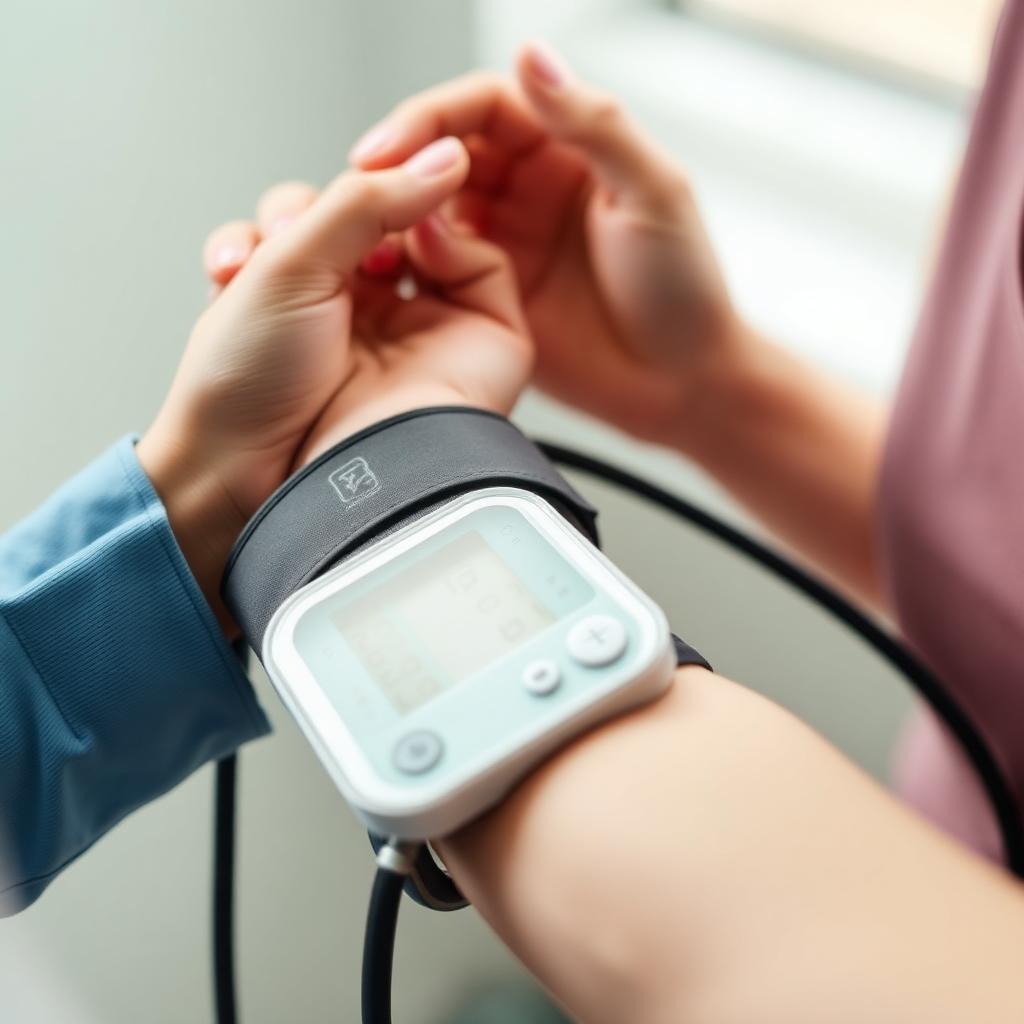
Blood Pressure in Menopause
Why blood pressure climbs in midlife — and how to keep it in a healthy range.
Read guide

Osteoporosis Prevention in Midlife
Bone loss accelerates after menopause — HRT, calcium, vitamin D and weight-bearing exercise all count.
Read guide