
Long-term
Osteoporosis Prevention in Midlife
Bone loss accelerates after menopause — HRT, calcium, vitamin D and weight-bearing exercise all count.
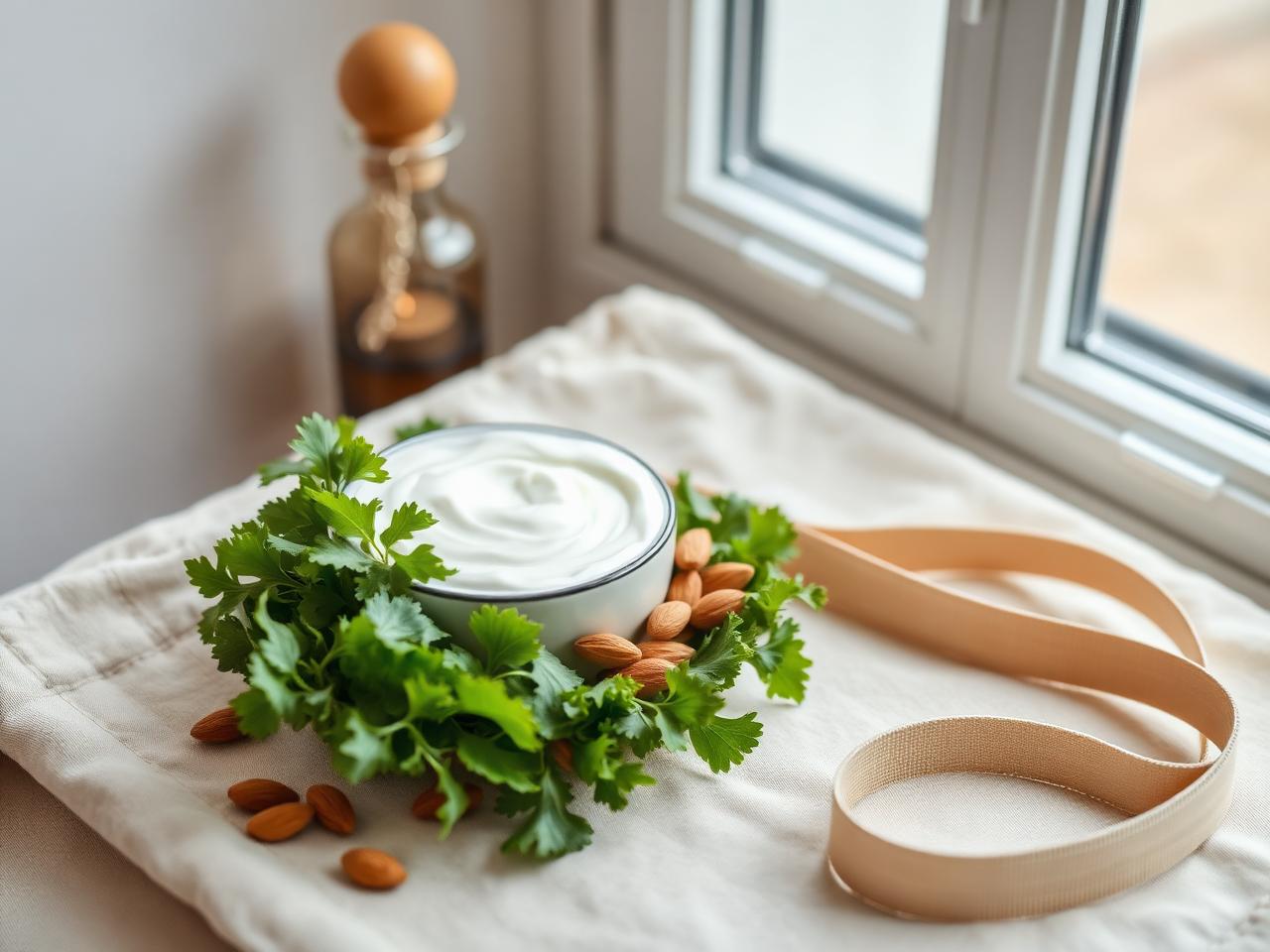
Peak bone loss is in the 5 years around your final period. Prevention now saves fractures decades later. UK NOGG and BMS guidance underpins this section.
Bone loss accelerates sharply around your final menstrual period — women can lose up to 20% of their bone density in the first 5–7 years post-menopause, driven by the withdrawal of oestrogen's restraining effect on osteoclast activity. That decade is the most consequential window in a woman's skeletal life. Half of UK women over 50 will experience an osteoporotic fracture; hip fracture in later life carries a one-year mortality of 20–30% and is the single biggest predictor of loss of independence. But osteoporosis is also one of the most preventable conditions we see — bone responds to load, oestrogen, protein, calcium, vitamin D and lifestyle throughout life. Prevention started in the 40s is spectacularly more effective than treatment started at 70.
Why bone loss accelerates at menopause
- Oestrogen suppresses osteoclast activity (the cells that break down bone) and supports osteoblast function (the cells that build new bone).
- As oestrogen falls, bone turnover speeds up but resorption outpaces formation — net loss of 1–2% per year, more in the first 5–7 years.
- Women lose around 10% of trabecular (spongy) bone during the transition — hips, spine and wrists are most affected.
- Genetics accounts for 60–80% of peak bone mass; lifestyle owns the rest — and all of the rate of loss.
Non-medical foundations — the daily and weekly work
- Weight-bearing exercise 4–5 days a week — walking (ideally uphill or weighted), running, dancing, tennis, netball, stairs.
- Strength training 2–3 times a week with progressive load — the strongest osteogenic stimulus we have. LIFTMOR trials show heavy, supervised lifting increases bone density in postmenopausal women with osteopenia.
- Impact and jumping (multi-directional hops, box jumps, skipping) 3–5 minutes most days — safe once bone density is known, remarkable for hip and spine bone.
- Protein 1.2–1.6 g/kg/day — bone is 50% protein by volume; underfeeding it wastes the training stimulus.
- Calcium 1,000–1,200 mg/day, preferably from food (dairy, tinned sardines with bones, tofu set with calcium, leafy greens, fortified plant milks).
- Vitamin D 10 micrograms (400 IU) daily October–March in the UK — often 20–50 micrograms is needed to reach a serum 25(OH)D above 75 nmol/L.
- Stop smoking; keep alcohol under 5 units a week; treat coeliac disease and any malabsorption.

Medical options — where they fit
- HRT is highly effective for prevention in eligible women — reduces vertebral, non-vertebral and hip fracture risk by around 30–40% while taken. NICE and BMS both recognise HRT as first-line for bone protection in perimenopause and early postmenopause.
- Bisphosphonates (alendronate, risedronate, zoledronate) — oral or IV, first-line when HRT is unsuitable and BMD is in osteoporosis range.
- Denosumab (Prolia) — 6-monthly injection, particularly useful in aromatase inhibitor users or when bisphosphonates aren't tolerated. Must not be stopped abruptly — rebound fractures can occur.
- Anabolic agents (romosozumab, teriparatide) — for high fracture risk or existing severe osteoporosis, specialist-initiated.
- SERMs (raloxifene) — a niche option in a small subset.
When to test with DEXA
- Premature ovarian insufficiency or early menopause (under 45) — baseline at diagnosis, repeat every 2–3 years.
- Any fragility fracture (a break from a fall from standing height or less) at any age — same-year DEXA.
- Long-term oral steroids (3+ months at 5 mg prednisolone or more), aromatase inhibitors, or anti-androgen therapy.
- Family history of hip fracture in a parent.
- BMI under 19, coeliac disease, inflammatory bowel disease, chronic kidney disease, rheumatoid arthritis.
- FRAX or QFracture score identifying elevated 10-year risk (usually 10%+ major osteoporotic fracture or 3%+ hip).
- In the absence of risk factors, DEXA around age 65 is the usual UK recommendation.
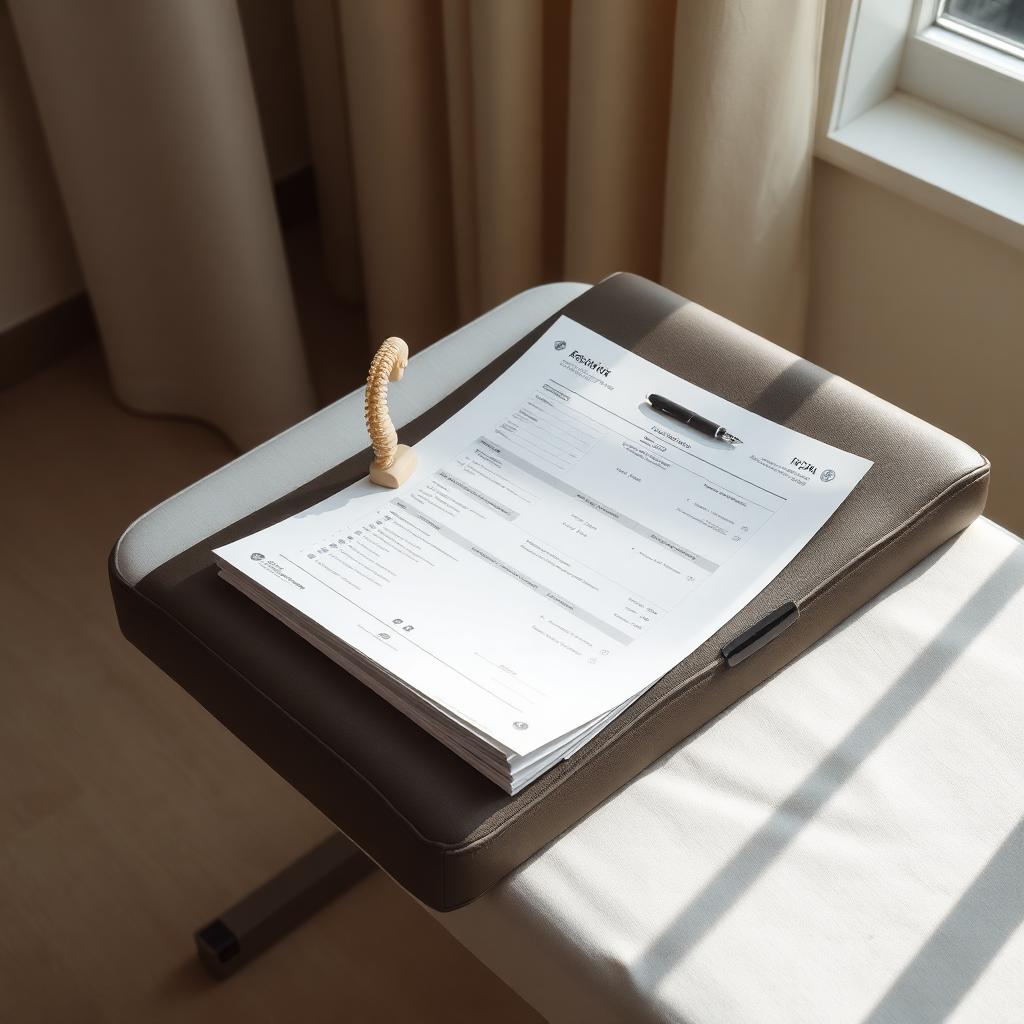
Understanding your DEXA result
- T-score above -1.0: normal bone density.
- T-score -1.0 to -2.5: osteopenia — bone loss present, treatment usually lifestyle-based with review.
- T-score below -2.5: osteoporosis — usually treatment indicated alongside lifestyle.
- Interpretation depends on age, previous fractures, and FRAX 10-year risk — a T-score alone doesn't decide treatment.
Lifestyle red flags
- Smoking — accelerates bone loss and impairs fracture healing.
- Heavy alcohol (over 14 units/week) — direct osteoblast toxicity and fall risk.
- Very low body weight (BMI under 19) — inadequate mechanical load, low oestrogen.
- Amenorrhoea in the reproductive years (RED-S, hypothalamic amenorrhoea) — bone loss compounds through perimenopause.
- Long-term proton pump inhibitors — reduce calcium absorption; review if used for years without indication.
- Untreated coeliac disease or malabsorption — bone loss can be substantial.
A midlife bone protection plan
- Track: know your family history, FRAX score, calcium and vitamin D intake, current alcohol.
- Train: 2 strength sessions and 3–4 walks a week; add jumping and impact once cleared.
- Fuel: 1,000–1,200 mg calcium and 25–35 g protein most meals.
- Supplement: vitamin D 10–20 mcg daily October–March, year-round if darker skin or limited outdoor time.
- Treat: consider HRT for menopausal symptoms and bone protection together — the two conversations belong together.
- Monitor: DEXA at appropriate ages and after risk factors emerge; review with a menopause-informed clinician.
Key takeaway
The bones you build (or keep) in your 40s and 50s are the bones you'll rely on at 80. Load, protein, oestrogen and vitamin D — that's the framework. Everything else is detail.
How Dr Awal approaches this in clinic
Every consultation starts with your full story — symptoms, cycle, medical history, family history and what you've already tried. From there we look at whether hormonal treatment, non-hormonal options, lifestyle changes or a combination will give you the best result, and we tailor the plan to your age, risk factors and preferences.
- A detailed 60 minute first appointment — no rushed 10-minute slots.
- Evidence-based recommendations aligned with NICE NG23 and BMS guidance.
- Body-identical HRT considered first-line where appropriate.
- Shared-care letters sent to your NHS GP so treatment can continue affordably.
- Follow-up at 3 months to fine-tune your regimen and address side effects.
- Ongoing annual reviews so your plan evolves with you.
Common questions we hear about this
Do I need to be at a certain age to be seen?
No. We see women in early perimenopause (often late 30s and 40s), through post-menopause and beyond. Age alone doesn't decide whether treatment is right — symptoms, health history and goals do.
Will my GP continue the prescription?
In most cases yes. After your consultation we send a detailed shared-care letter with the diagnosis, treatment plan and rationale so your NHS GP can prescribe on the NHS. Not every practice accepts shared care — we'll discuss this in your appointment.
What if I've tried HRT before and it didn't suit me?
Very common — often the type, dose or route wasn't right rather than HRT itself. We review what you've tried, why it didn't work, and adjust accordingly. Many women who thought HRT wasn't for them do well on a different preparation.
How long will I need to stay on treatment?
There is no set upper time limit for HRT. Current BMS and NICE guidance supports continuing HRT for as long as the benefits outweigh the risks for you personally. We review this together every year so you stay in control of the decision.
Where do you see patients?
All consultations at Pause and Co Healthcare are conducted securely via video, allowing us to support patients anywhere in the UK. Prescriptions and shared care arrangements are managed in the same way, regardless of your location.
About the author
Dr Nadira Awal is a British Menopause Society Advanced Menopause Specialist with 15+ years' NHS and private experience. She holds the BMS Advanced Certificate in Menopause Care, sits on the BMS Programme Planning Group, and advises the UK Government Menopause Strategy Group. Read her full profile.
Sources & further reading
General information only — not a substitute for personalised medical advice. Always speak to your GP or a menopause specialist about your own situation.
Talk it through
Book a private consultation with Dr Awal
Get evidence-based, personalised advice on osteoporosis prevention in midlife and any related concerns.
Related in Long-term
Continue reading

Menopause & Cardiovascular Health
Why heart risk rises after menopause and what protects you.
Read guide
Cholesterol Changes in Menopause
Why LDL often rises after menopause and what actually helps.
Read guide
Blood Pressure in Menopause
Why blood pressure climbs in midlife — and how to keep it in a healthy range.
Read guide