
Movement
Cold Water Swimming & Menopause
A fashionable trend with real, modest benefits — and important cautions.
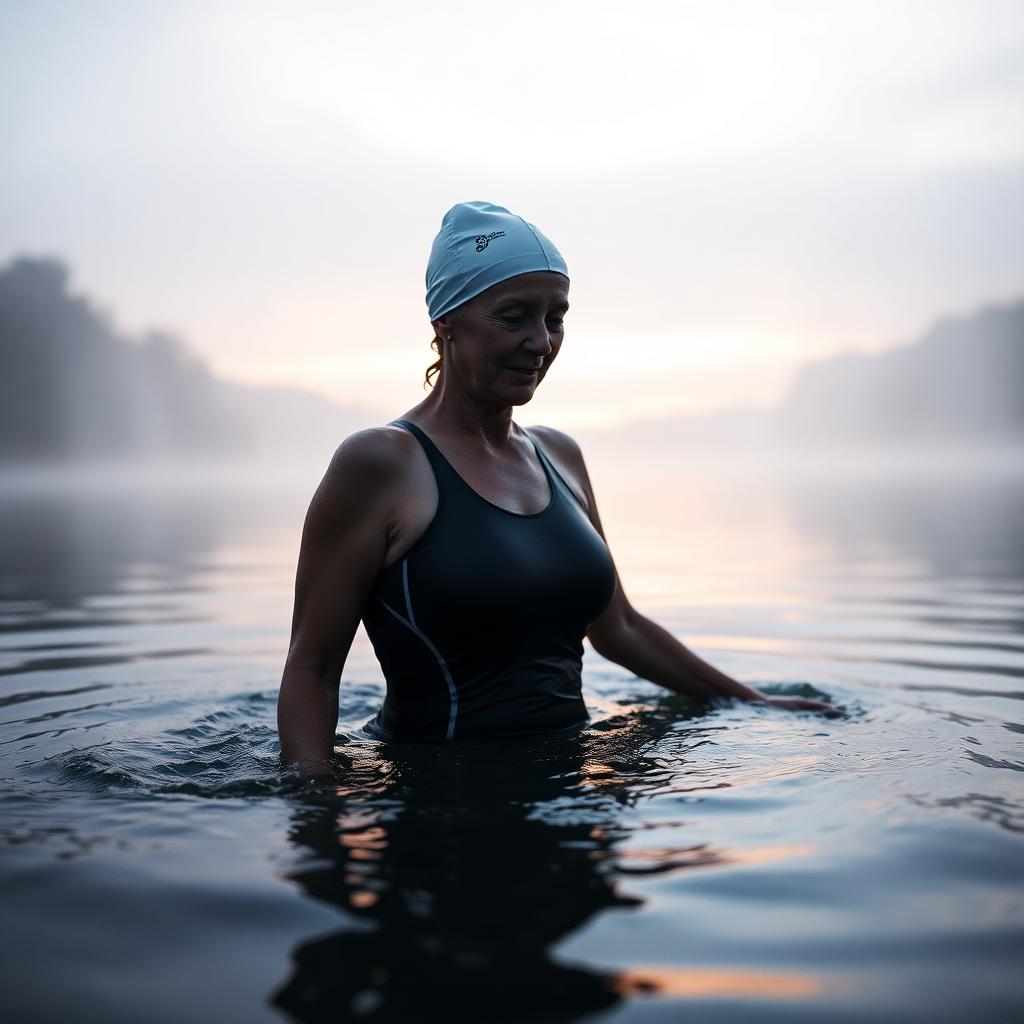
Small studies suggest mood and flush improvements. Cardiovascular risk means women with heart conditions should get personalised advice first.
Cold water swimming has moved from fringe eccentricity to mainstream midlife phenomenon, and UK menopausal women are one of the fastest-growing demographics in outdoor swimming groups. The trial evidence is still catching up with the enthusiasm — but the physiology is plausible, the community effects are real, and for many women a weekly dip becomes one of the anchoring rituals of perimenopause. It is not, however, universally safe, and a small number of women have genuine contraindications that need respecting. Understanding the mechanism, the evidence and the safety rails lets you decide whether it belongs in your menopause toolkit.
What cold water may actually do
- Triggers a sharp release of dopamine, noradrenaline and beta-endorphin — the well-documented 'afterglow' that can last several hours.
- Repeated cold exposure appears to blunt the sympathetic nervous system's stress response over time — 'cross-adaptation' seen in habituated swimmers.
- Vagal tone (parasympathetic recovery) improves with regular cold exposure, correlating with better heart rate variability and calmer baseline anxiety.
- A UCL survey of 1,114 menopausal cold water swimmers (2024) reported subjective improvements in anxiety (47%), mood (35%), hot flushes (30%) and sleep (28%) — self-report, not RCT, but consistent with lived experience in clinic.
- The community, daylight, outdoor time and cardiovascular exercise are all independently protective — cold is only part of why it works.
A realistic view of the evidence
- No large randomised controlled trials in menopausal women yet — most evidence is observational and enthusiast-reported.
- Effects on hot flushes are plausible but not proven; do not stop HRT to try cold water swimming.
- Cold immersion does not reliably lower body fat, 'boost immunity' or 'reset hormones' — the marketing claims outrun the science.
- It is best framed as a joyful, community-based, nervous-system-regulating movement practice — not a medical treatment.
How to start safely
- Never swim alone. Join a recognised outdoor swimming group (Outdoor Swimming Society, The Bluetits, local wild swimming groups) — safety cover and experience are worth more than any wetsuit.
- Start in summer when water is 15–18°C and work down as the seasons cool — acclimatisation is a slow process.
- First dips: 1–3 minutes only, chest-deep, with feet on the bottom. Extend gradually — a common rule is one minute per degree Celsius of water temperature, maximum.
- Enter slowly and control your breathing — the 'cold shock response' (gasp reflex, hyperventilation) is the leading cause of open-water drowning deaths.
- Never dive or jump into cold water — walk in.
- Get out well before you feel too cold; the 'after-drop' (core temperature continues to fall for 20–30 minutes after leaving the water) causes most cases of hypothermia.
Rewarming properly — the step most often missed
- Change fast: dry clothes, warm base layer, hat, gloves, insulated jacket, dry shoes — the ground steals heat quickly.
- Warm drink and something to eat within 15 minutes — a thermos of tea and a flapjack is the swimmer's classic.
- Move gently to generate heat — do not exercise hard, and do not drive until you are properly rewarmed and dressed.
- No hot shower or bath for at least 30 minutes — the sudden peripheral vasodilation can cause dangerous drops in blood pressure ('rewarming collapse').

Who should be cautious or avoid
- Uncontrolled hypertension, coronary artery disease, previous heart attack, arrhythmias (especially AF) — the cold pressor response transiently spikes blood pressure and heart rate.
- Long QT syndrome or unexplained blackouts — same-day cardiology review before starting.
- Pregnancy — cold water swimming is not currently recommended.
- Cold urticaria, Raynaud's disease (relative — some women manage with neoprene), open wounds or immunosuppression.
- Post-surgical recovery — 8–12 weeks minimum, surgical clearance first.
- Poorly controlled epilepsy or blood sugars.
- Any lone swimming — non-negotiable.
Kit basics for UK conditions
- Bright-coloured swim cap or two thin caps stacked — essential for visibility and warmth.
- Neoprene gloves and socks — most women find fingers and toes the limiting factor, not the core.
- Tow float — visibility, safety, and useful for a rest.
- Warm robe (dryrobe-style) for changing, and a waterproof bag with dry clothes.
- Wetsuit is optional and personal — many prefer 'skins' (regular swimwear) for the full sensory hit, but a shorty or full suit is fine and lets you stay in safely for longer.
Pairing with everything else
- Cold water swimming is complementary to walking, strength and HRT — it is not a substitute.
- Weekly or twice-weekly sessions are enough for the mood and nervous-system benefits; daily immersion is not required.
- In deep winter (under 5°C), reduce time in the water sharply and prioritise rewarming above all else.
Key takeaway
Cold water isn't magic — but if it suits your life, the mood, community and nervous-system benefits are real. Never swim alone, rewarm slowly, and respect the medical contraindications.
How Dr Awal approaches this in clinic
Every consultation starts with your full story — symptoms, cycle, medical history, family history and what you've already tried. From there we look at whether hormonal treatment, non-hormonal options, lifestyle changes or a combination will give you the best result, and we tailor the plan to your age, risk factors and preferences.
- A detailed 60 minute first appointment — no rushed 10-minute slots.
- Evidence-based recommendations aligned with NICE NG23 and BMS guidance.
- Body-identical HRT considered first-line where appropriate.
- Shared-care letters sent to your NHS GP so treatment can continue affordably.
- Follow-up at 3 months to fine-tune your regimen and address side effects.
- Ongoing annual reviews so your plan evolves with you.
Common questions we hear about this
Do I need to be at a certain age to be seen?
No. We see women in early perimenopause (often late 30s and 40s), through post-menopause and beyond. Age alone doesn't decide whether treatment is right — symptoms, health history and goals do.
Will my GP continue the prescription?
In most cases yes. After your consultation we send a detailed shared-care letter with the diagnosis, treatment plan and rationale so your NHS GP can prescribe on the NHS. Not every practice accepts shared care — we'll discuss this in your appointment.
What if I've tried HRT before and it didn't suit me?
Very common — often the type, dose or route wasn't right rather than HRT itself. We review what you've tried, why it didn't work, and adjust accordingly. Many women who thought HRT wasn't for them do well on a different preparation.
How long will I need to stay on treatment?
There is no set upper time limit for HRT. Current BMS and NICE guidance supports continuing HRT for as long as the benefits outweigh the risks for you personally. We review this together every year so you stay in control of the decision.
Where do you see patients?
All consultations at Pause and Co Healthcare are conducted securely via video, allowing us to support patients anywhere in the UK. Prescriptions and shared care arrangements are managed in the same way, regardless of your location.
About the author
Dr Nadira Awal is a British Menopause Society Advanced Menopause Specialist with 15+ years' NHS and private experience. She holds the BMS Advanced Certificate in Menopause Care, sits on the BMS Programme Planning Group, and advises the UK Government Menopause Strategy Group. Read her full profile.
Sources & further reading
General information only — not a substitute for personalised medical advice. Always speak to your GP or a menopause specialist about your own situation.
Talk it through
Book a private consultation with Dr Awal
Get evidence-based, personalised advice on cold water swimming & menopause and any related concerns.
Related in Movement
Continue reading
Strength Training for Menopause
Why lifting weights is non-negotiable in midlife — for bones, muscle and mood.
Read guide

Zone 2 Cardio Explained
The quiet, conversational cardio that transforms midlife metabolic health.
Read guide
Yoga for Menopause
How yoga supports mood, sleep and joint comfort — and what styles help most.
Read guide