
Movement
Strength Training for Menopause
Why lifting weights is non-negotiable in midlife — for bones, muscle and mood.
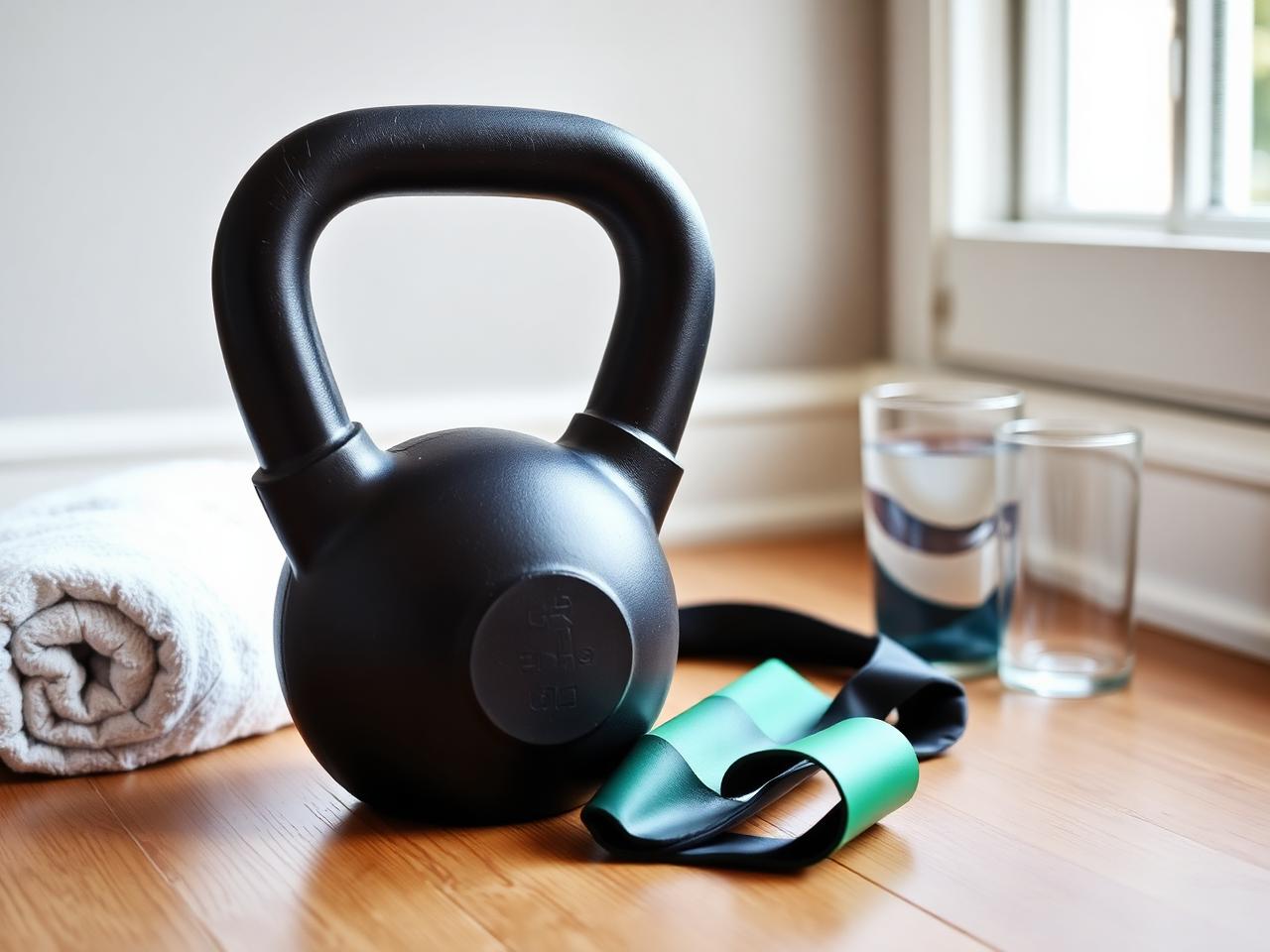
Two to three sessions a week, focused on progressive overload, is the single most powerful non-pharmacological intervention for the menopausal body.
If we could bottle strength training as a menopause medicine, it would be first-line for almost every woman. There is no other single intervention — no supplement, no diet, and arguably no medication — that has such a large, durable and cross-domain effect on midlife health as lifting progressively heavy weights two or three times a week. Bone density, muscle mass, insulin sensitivity, resting metabolic rate, mood, sleep, balance, injury resilience and — most importantly — independence in the eighth and ninth decades all depend on the muscle and bone you build now. And yet fewer than 1 in 10 UK midlife women do any regular strength training. If you change one thing after reading this, make it this.
Why it matters more after 45
- Muscle mass declines by around 3–8% per decade from 30, and accelerates sharply through the menopause transition as oestrogen falls — women can lose 10–15% of muscle in the 5 years around their final period without resistance training.
- Bone mineral density falls 1–2% per year in early postmenopause; women who strength train lose significantly less, and can gain density with well-programmed high-load work.
- Resting metabolic rate falls in proportion to muscle mass — this is the main reason 'the same diet' stops working in the 40s.
- Insulin sensitivity is largely driven by muscle mass; strength training improves glucose control independently of weight loss.
- Balance, coordination and reaction time — the components that prevent falls — all depend on trained muscle and neural control.
- Fractures in women over 80 are the single biggest predictor of loss of independence; hip fracture carries a 20–30% one-year mortality. The bones and muscle you build in your 40s and 50s are the ones you rely on then.
The evidence-based prescription
- 2–3 whole-body sessions a week, 45–60 minutes each — this is the sweet spot in trials.
- Progressive overload — the weight must feel challenging by rep 8–12, with 1–3 reps in reserve. If a set is easy, it isn't building bone or muscle.
- Compound, multi-joint movements: squat, hinge (deadlift, Romanian deadlift, hip thrust), push (press, push-up), pull (row, pulldown), carry (farmer's walk).
- 3–4 sets per exercise, 3–5 exercises per session — quality over quantity.
- 1–3 minutes rest between heavier sets — this is not cardio; the goal is muscle and bone loading.
- Include 1–2 unilateral movements per session (split squat, single-leg deadlift, one-arm row) for balance and asymmetry.
Starting from scratch — the first 12 weeks
- Weeks 1–4: bodyweight and resistance bands, learning form. Goblet squats to a chair, dumbbell Romanian deadlifts, dumbbell rows, push-ups on knees, glute bridges, farmer's carries.
- Weeks 5–8: add small dumbbells (2–8 kg), 3 sets of 8–12 reps, focus on control and full range.
- Weeks 9–12: begin barbell work if you have access and coaching — squats, deadlifts, hip thrusts. Or continue dumbbell progression with heavier weights.
- 3–6 sessions with a qualified coach at the start (personal trainer with menopause or older-adult experience, or a Chartered Physiotherapist) saves months of guesswork.
- Log every session — weight, reps, and how it felt. Progression is what makes it work, and memory is unreliable.
Safe progression
- Add small weight increments (1–2.5 kg) once you can hit the top of the rep range with 1–2 reps in reserve, rather than piling on reps.
- Deload every 6–8 weeks — a lighter week reduces injury risk and improves long-term adaptation.
- Warm up with 5 minutes of easy cardio and light movement before heavy sets.
- Prioritise sleep and protein — 25–35 g protein per meal, 1.2–1.6 g/kg/day total. Under-eating protein wastes the training stimulus.
- Expect DOMS (delayed onset muscle soreness) for the first 2–3 weeks; it fades as the body adapts.
Where to train
- Home: a pair of adjustable dumbbells (up to 20 kg), resistance bands, a bench and a yoga mat covers 90% of what most women need in the first year.
- Gym: better once you want to lift heavier — squat rack, barbell, cable machines. Many UK gyms now have well-attended 'women's strength' or 'women over 40' classes.
- Coaching: The Menopause Gym, StrongHer, Girls Gone Strong, or a locally recommended personal trainer with older-adult qualifications. Avoid bootcamp-style classes for the first 3 months — form matters more than sweat.

Cautions and adaptations
- Osteoporosis or previous fracture — avoid loaded spinal flexion (traditional crunches, deep forward folds under load). LIFTMOR-style protocols show heavy resistance and impact training is safe and effective with proper coaching.
- Pelvic floor issues (prolapse, incontinence) — see a women's health physio before heavy lifting; breathing mechanics and pelvic floor engagement can be taught, and lifting is protective, not harmful, when done correctly.
- Hypermobility — prioritise control and joint stability over range; avoid end-range loading.
- Cardiovascular disease, uncontrolled hypertension, recent surgery — clearance first, then start gently.
What it protects — long term
- Bone density and fracture risk in the 70s and 80s.
- Muscle mass and functional independence into the ninth decade.
- Metabolic health, insulin sensitivity, cardiovascular risk.
- Mood, sleep and confidence — often the most immediate and unexpected benefits.
- Balance and fall prevention — the single most modifiable risk for loss of independence in later life.
Key takeaway
Lifting weights 2–3 times a week is the closest thing we have to a menopause superpower — for bone, muscle, metabolism, mood, and how well you'll live in your 70s and 80s.
How Dr Awal approaches this in clinic
Every consultation starts with your full story — symptoms, cycle, medical history, family history and what you've already tried. From there we look at whether hormonal treatment, non-hormonal options, lifestyle changes or a combination will give you the best result, and we tailor the plan to your age, risk factors and preferences.
- A detailed 60 minute first appointment — no rushed 10-minute slots.
- Evidence-based recommendations aligned with NICE NG23 and BMS guidance.
- Body-identical HRT considered first-line where appropriate.
- Shared-care letters sent to your NHS GP so treatment can continue affordably.
- Follow-up at 3 months to fine-tune your regimen and address side effects.
- Ongoing annual reviews so your plan evolves with you.
Common questions we hear about this
Do I need to be at a certain age to be seen?
No. We see women in early perimenopause (often late 30s and 40s), through post-menopause and beyond. Age alone doesn't decide whether treatment is right — symptoms, health history and goals do.
Will my GP continue the prescription?
In most cases yes. After your consultation we send a detailed shared-care letter with the diagnosis, treatment plan and rationale so your NHS GP can prescribe on the NHS. Not every practice accepts shared care — we'll discuss this in your appointment.
What if I've tried HRT before and it didn't suit me?
Very common — often the type, dose or route wasn't right rather than HRT itself. We review what you've tried, why it didn't work, and adjust accordingly. Many women who thought HRT wasn't for them do well on a different preparation.
How long will I need to stay on treatment?
There is no set upper time limit for HRT. Current BMS and NICE guidance supports continuing HRT for as long as the benefits outweigh the risks for you personally. We review this together every year so you stay in control of the decision.
Where do you see patients?
All consultations at Pause and Co Healthcare are conducted securely via video, allowing us to support patients anywhere in the UK. Prescriptions and shared care arrangements are managed in the same way, regardless of your location.
About the author
Dr Nadira Awal is a British Menopause Society Advanced Menopause Specialist with 15+ years' NHS and private experience. She holds the BMS Advanced Certificate in Menopause Care, sits on the BMS Programme Planning Group, and advises the UK Government Menopause Strategy Group. Read her full profile.
Sources & further reading
General information only — not a substitute for personalised medical advice. Always speak to your GP or a menopause specialist about your own situation.
Talk it through
Book a private consultation with Dr Awal
Get evidence-based, personalised advice on strength training for menopause and any related concerns.
Related in Movement
Continue reading

Zone 2 Cardio Explained
The quiet, conversational cardio that transforms midlife metabolic health.
Read guide

Yoga for Menopause
How yoga supports mood, sleep and joint comfort — and what styles help most.
Read guide

Pilates for Menopause
Why Pilates is such a good fit for the midlife back, pelvic floor and posture.
Read guide