
Movement
Yoga for Menopause
How yoga supports mood, sleep and joint comfort — and what styles help most.
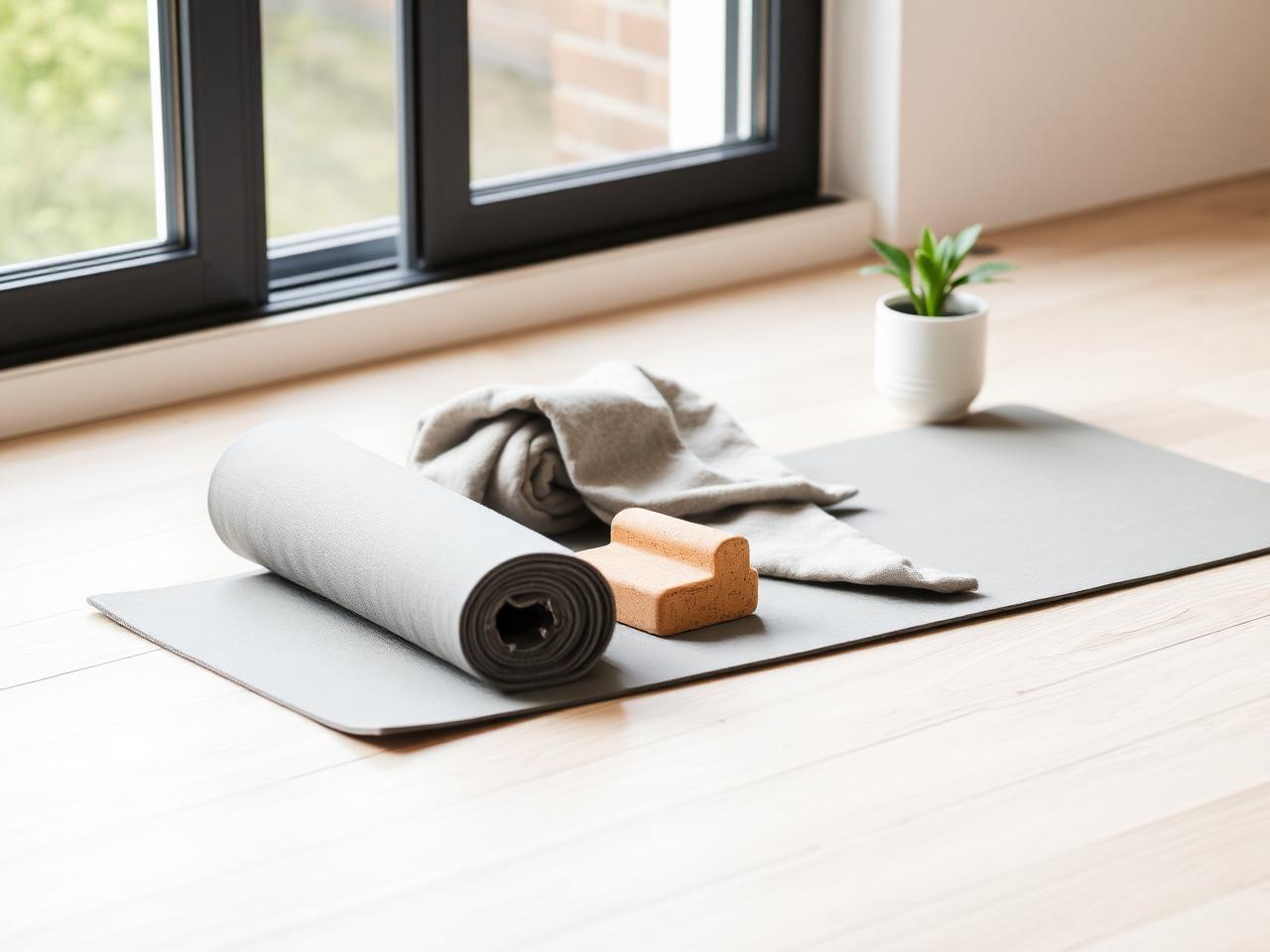
Yin and restorative practices soothe sleep and anxiety; vinyasa builds strength and bone loading. Mixing both suits most midlife bodies.
Yoga suits menopausal bodies particularly well because it does something no single medicine can: it combines strength, mobility, breath work, balance, and — crucially — nervous-system regulation in one accessible package. The autonomic nervous system becomes measurably more sensitive in perimenopause; the parasympathetic 'rest and digest' branch loses ground to a hyperactive sympathetic 'fight or flight' response, driving anxiety, insomnia, hot flushes and cortisol dysregulation. Yoga is one of the few interventions that reliably rebalances this — with a body of trial evidence now supporting reductions in vasomotor symptoms, sleep disruption, depression and joint pain in menopausal women. Twenty minutes most days, done consistently, quietly changes how menopause feels.
What the evidence actually shows
- Multiple RCTs and Cochrane reviews now show moderate reductions in hot flushes, night sweats and menopause-related depression with regular yoga practice.
- Yoga reduces cortisol and improves heart rate variability — objective markers of nervous-system regulation.
- Consistent yoga improves grip strength, balance and functional fitness in postmenopausal women — reducing future fall risk.
- Low-cost, low-risk, and can be practised at home with free or low-cost apps and YouTube channels (Yoga with Adriene, Alo Moves, Insight Timer).
Best styles for midlife bodies
- Yin and restorative — long-held, floor-based, deeply parasympathetic. Excellent for sleep, anxiety, cortisol regulation and pelvic floor tension.
- Vinyasa or Iyengar — flowing, strength-building, weight-bearing. Great for bone loading, cardiovascular fitness and confidence in the body.
- Hatha — a gentle all-rounder, good starting point.
- Yoga Nidra (guided body-scan meditation) — remarkably effective for menopausal insomnia; 30 minutes counts as a nap.
Poses that tend to help specific symptoms
- Legs-up-the-wall (Viparita Karani) — cooling, calming, brilliant for hot flushes, anxiety and evening wind-down.
- Bridge (Setu Bandha) and warrior series — hip strength, glute activation and pelvic floor engagement.
- Cat-cow and thread-the-needle — spinal mobility for stiff mornings.
- Reclined bound angle (Supta Baddha Konasana) — pelvic release, particularly helpful for pelvic floor hypertonicity.
- Twists and gentle forward folds — digestive support and lower back release.
Breath work as the hidden ingredient
- Slow diaphragmatic breathing (6 breaths per minute) reduces hot-flush intensity in trials.
- 4-7-8 breath (inhale 4, hold 7, exhale 8) at bedtime shifts the nervous system toward sleep.
- Alternate nostril breathing (Nadi Shodhana) is calming without being sedating — useful for anxious middle-of-the-day moments.
- Cooling breath (Sitali) — draw breath in through a curled tongue — is a genuine, if brief, hot-flush interrupt.

Cautions and adaptations
- Osteoporosis or osteopenia — avoid deep forward flexion of the spine, deep twists and full inversions.
- Prolapse — avoid extended breath-holding and heavy Valsalva postures.
- Hypermobility (hEDS/HSD) — prioritise strength and control over stretch depth; avoid end-range loading.
- Retinal or blood pressure issues — avoid full inversions (headstand, shoulderstand); legs-up-the-wall is safe.
- Postoperative — 8–12 weeks minimum, clearance from surgeon, then rebuild slowly.
How much, how often, how to start
- 20 minutes most days beats 90 minutes once a week.
- Start with a beginner-level class or a well-taught online series — form matters and self-taught habits are hard to undo.
- Local classes offer accountability and community — two independent predictors of adherence.
- Combine with walking, strength and pilates for a well-rounded midlife movement stack.
Key takeaway
20 minutes of yoga most days quietly changes how menopause feels — physically calmer, mentally clearer, better-slept, more at home in the body.
How Dr Awal approaches this in clinic
Every consultation starts with your full story — symptoms, cycle, medical history, family history and what you've already tried. From there we look at whether hormonal treatment, non-hormonal options, lifestyle changes or a combination will give you the best result, and we tailor the plan to your age, risk factors and preferences.
- A detailed 60 minute first appointment — no rushed 10-minute slots.
- Evidence-based recommendations aligned with NICE NG23 and BMS guidance.
- Body-identical HRT considered first-line where appropriate.
- Shared-care letters sent to your NHS GP so treatment can continue affordably.
- Follow-up at 3 months to fine-tune your regimen and address side effects.
- Ongoing annual reviews so your plan evolves with you.
Common questions we hear about this
Do I need to be at a certain age to be seen?
No. We see women in early perimenopause (often late 30s and 40s), through post-menopause and beyond. Age alone doesn't decide whether treatment is right — symptoms, health history and goals do.
Will my GP continue the prescription?
In most cases yes. After your consultation we send a detailed shared-care letter with the diagnosis, treatment plan and rationale so your NHS GP can prescribe on the NHS. Not every practice accepts shared care — we'll discuss this in your appointment.
What if I've tried HRT before and it didn't suit me?
Very common — often the type, dose or route wasn't right rather than HRT itself. We review what you've tried, why it didn't work, and adjust accordingly. Many women who thought HRT wasn't for them do well on a different preparation.
How long will I need to stay on treatment?
There is no set upper time limit for HRT. Current BMS and NICE guidance supports continuing HRT for as long as the benefits outweigh the risks for you personally. We review this together every year so you stay in control of the decision.
Where do you see patients?
All consultations at Pause and Co Healthcare are conducted securely via video, allowing us to support patients anywhere in the UK. Prescriptions and shared care arrangements are managed in the same way, regardless of your location.
About the author
Dr Nadira Awal is a British Menopause Society Advanced Menopause Specialist with 15+ years' NHS and private experience. She holds the BMS Advanced Certificate in Menopause Care, sits on the BMS Programme Planning Group, and advises the UK Government Menopause Strategy Group. Read her full profile.
Sources & further reading
General information only — not a substitute for personalised medical advice. Always speak to your GP or a menopause specialist about your own situation.
Talk it through
Book a private consultation with Dr Awal
Get evidence-based, personalised advice on yoga for menopause and any related concerns.
Related in Movement
Continue reading
Strength Training for Menopause
Why lifting weights is non-negotiable in midlife — for bones, muscle and mood.
Read guide

Zone 2 Cardio Explained
The quiet, conversational cardio that transforms midlife metabolic health.
Read guide
Pilates for Menopause
Why Pilates is such a good fit for the midlife back, pelvic floor and posture.
Read guide