
Weight & Nutrition
Gut Health in Menopause
Why the microbiome shifts in midlife and how to feed it well.
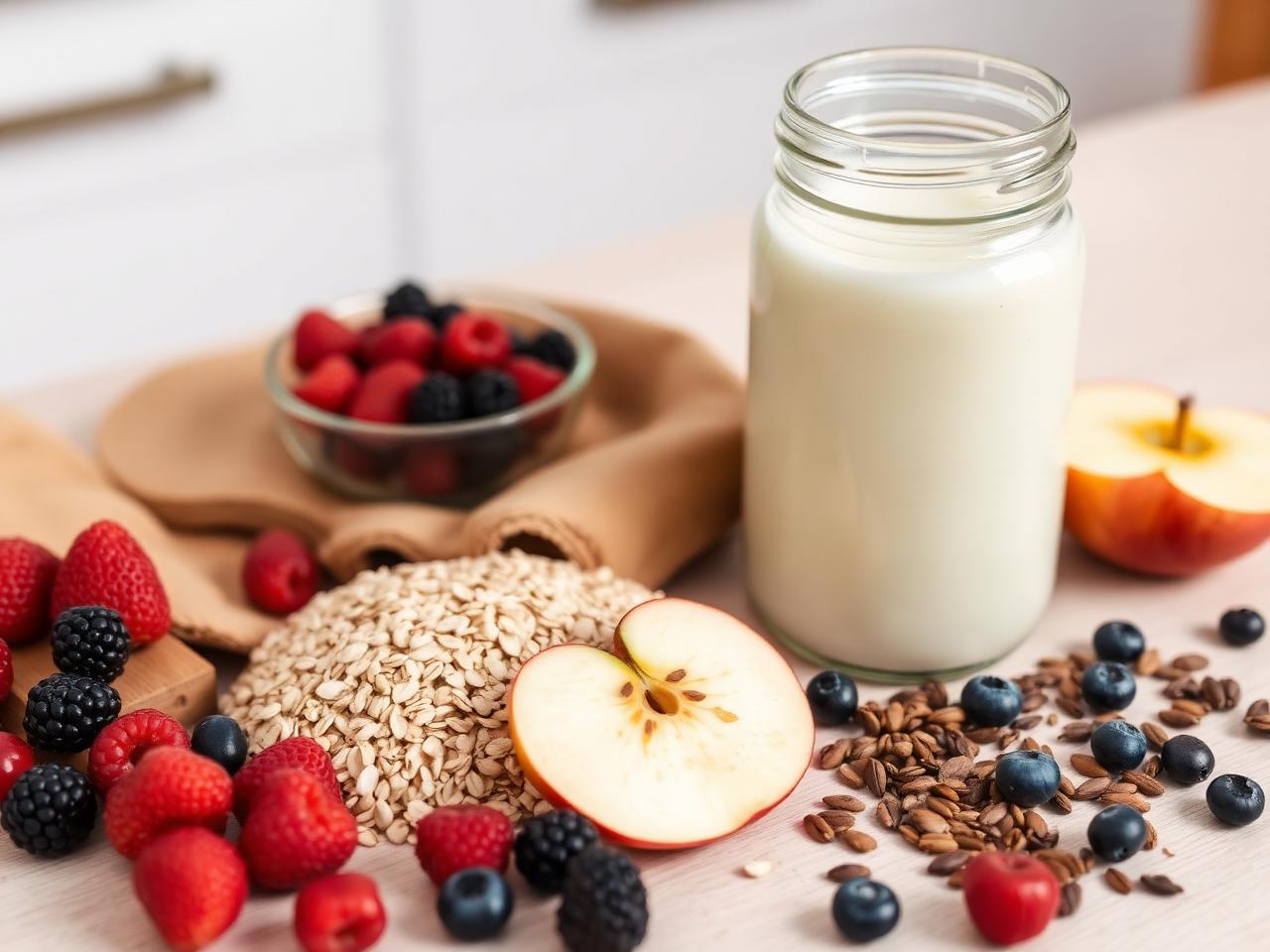
Fibre diversity is the single strongest lever. Fermented foods, plants, sleep and stress management all shape a healthier midlife gut.
The perimenopausal gut is not the same organ it was at 30. Falling oestrogen changes the diversity of the microbiome (the ‘estrobolome’ — the bacterial community that helps recycle oestrogen through the enterohepatic circulation), slows gut transit, and increases sensitivity of the enteric nervous system. Women who previously never gave their digestion a second thought suddenly notice new bloating, food reactivity, reflux, constipation or a lower threshold for IBS-type flare-ups. Because 70% of the immune system and much of serotonin production live in the gut, this is not a cosmetic concern — gut resilience underpins mood, immunity, bone density, cardiovascular risk and how well HRT is tolerated.
What changes at menopause
- Microbial diversity typically falls, and the ratio of Firmicutes to Bacteroidetes shifts in ways that favour weight gain and low-grade inflammation.
- The estrobolome — bacteria producing beta-glucuronidase — modulates how much oestrogen is reabsorbed; a disrupted estrobolome can worsen fluctuating symptoms.
- Gut motility slows, driving new-onset constipation, bloating and haemorrhoids in perimenopause.
- Visceral sensitivity rises: normal gas volumes now feel painful — the biology behind ‘menopausal IBS’.
- Reflux and gastritis are more common as lower oesophageal sphincter tone drops and abdominal weight redistributes.
The 30-plants-a-week principle
- The largest microbiome study to date (American Gut Project, ~11,000 participants) found plant diversity — not fibre grams alone — predicted microbial diversity.
- Count each different plant: herbs, spices, nuts, seeds, pulses, wholegrains and coloured vegetables all score. A herb sprinkled on eggs counts.
- Aim for 30 different plants a week rather than large portions of the same three vegetables.
- Build meals around the ‘plate template’: half the plate plants, a quarter protein, a quarter wholegrain or pulse, a thumb of olive oil.
- Batch-cook a large tray of roast Mediterranean vegetables on Sunday — one dish, seven plants.
Fibre, fermented foods and prebiotics
- UK women average 17 g of fibre a day; the target is 30 g. That gap alone explains much perimenopausal constipation.
- Soluble fibre (oats, psyllium, chia, flaxseed, apples, pulses) softens stool, feeds bacteria and lowers LDL cholesterol — a triple win in midlife.
- Fermented foods most days: live yogurt, kefir, sauerkraut, kimchi, miso, aged cheese. The Stanford ‘fermented foods trial’ showed measurable improvements in diversity and inflammatory markers within 10 weeks.
- Prebiotic-rich foods: garlic, onions, leeks, asparagus, chicory, slightly-green bananas, cold potato/rice (resistant starch).
- Increase fibre gradually over 3–4 weeks and hydrate — a sudden jump causes bloating and puts women off for good.
What tends to make menopausal gut symptoms worse
- Ultra-processed foods, artificial sweeteners (especially sucralose and aspartame) and emulsifiers such as polysorbate 80 all reduce microbial diversity in trial data.
- Chronic under-eating and skipping meals to control weight — this collapses microbial diversity and worsens hormonal symptoms.
- Excess alcohol thins the gut lining and disrupts the estrobolome — even one to two drinks nightly matters at this stage of life.
- Long courses of PPIs (omeprazole, lansoprazole) beyond 8 weeks reduce bacterial diversity and impair calcium, B12 and magnesium absorption — review with your GP if you have been on them for months.
- Repeated antibiotics without gut recovery time; discuss with your prescriber whether topical or narrow-spectrum options are appropriate.
Where HRT and gut health meet
- Oestrogen supports gut barrier integrity and vagal tone; women often notice bloating and constipation improve within weeks of starting HRT.
- Transdermal oestrogen bypasses first-pass metabolism and is usually the gentler choice for women with reflux, gallbladder disease or IBS.
- Utrogestan (micronised progesterone) can slow transit at higher doses — a vaginal route or Mirena is worth considering if constipation worsens.
- Testosterone rarely affects the gut directly but often improves motility indirectly by restoring energy and exercise consistency.
Probiotics — the honest version
- Evidence is strain-specific: Lactobacillus rhamnosus GG for antibiotic-associated diarrhoea, Bifidobacterium infantis 35624 for IBS, Saccharomyces boulardii for post-antibiotic recovery.
- Generic ‘gut health’ supplements at supermarket price rarely help. Food-first almost always outperforms a random capsule.
- A 4-week trial is a fair test — if there is no benefit, stop and put the money into vegetables and kefir.
When to investigate rather than self-manage
- Persistent change in bowel habit for more than 6 weeks, unexplained weight loss, blood in stool, iron-deficiency anaemia or new nocturnal symptoms — same-week GP review, not lifestyle advice.
- Bowel screening: the NHS FIT test invitation now starts at 50 in England. Do it every 2 years without fail.
- Persistent bloating for more than 3 weeks, especially with pelvic pain or urinary symptoms, needs an ovarian cancer screen (CA125 and pelvic ultrasound).
- Severe reflux, dysphagia or vomiting warrants urgent endoscopy — do not sit on it.
Key takeaway
Feed your gut 30 different plants a week, keep fermented foods in the fridge, cut ultra-processed foods and alcohol, and treat any change in bowel habit lasting over 6 weeks as a medical — not lifestyle — issue.
How Dr Awal approaches this in clinic
Every consultation starts with your full story — symptoms, cycle, medical history, family history and what you've already tried. From there we look at whether hormonal treatment, non-hormonal options, lifestyle changes or a combination will give you the best result, and we tailor the plan to your age, risk factors and preferences.
- A detailed 60 minute first appointment — no rushed 10-minute slots.
- Evidence-based recommendations aligned with NICE NG23 and BMS guidance.
- Body-identical HRT considered first-line where appropriate.
- Shared-care letters sent to your NHS GP so treatment can continue affordably.
- Follow-up at 3 months to fine-tune your regimen and address side effects.
- Ongoing annual reviews so your plan evolves with you.
Common questions we hear about this
Do I need to be at a certain age to be seen?
No. We see women in early perimenopause (often late 30s and 40s), through post-menopause and beyond. Age alone doesn't decide whether treatment is right — symptoms, health history and goals do.
Will my GP continue the prescription?
In most cases yes. After your consultation we send a detailed shared-care letter with the diagnosis, treatment plan and rationale so your NHS GP can prescribe on the NHS. Not every practice accepts shared care — we'll discuss this in your appointment.
What if I've tried HRT before and it didn't suit me?
Very common — often the type, dose or route wasn't right rather than HRT itself. We review what you've tried, why it didn't work, and adjust accordingly. Many women who thought HRT wasn't for them do well on a different preparation.
How long will I need to stay on treatment?
There is no set upper time limit for HRT. Current BMS and NICE guidance supports continuing HRT for as long as the benefits outweigh the risks for you personally. We review this together every year so you stay in control of the decision.
Where do you see patients?
All consultations at Pause and Co Healthcare are conducted securely via video, allowing us to support patients anywhere in the UK. Prescriptions and shared care arrangements are managed in the same way, regardless of your location.
About the author
Dr Nadira Awal is a British Menopause Society Advanced Menopause Specialist with 15+ years' NHS and private experience. She holds the BMS Advanced Certificate in Menopause Care, sits on the BMS Programme Planning Group, and advises the UK Government Menopause Strategy Group. Read her full profile.
Sources & further reading
General information only — not a substitute for personalised medical advice. Always speak to your GP or a menopause specialist about your own situation.
Talk it through
Book a private consultation with Dr Awal
Get evidence-based, personalised advice on gut health in menopause and any related concerns.
Related in Weight & Nutrition
Continue reading
Menopause and Weight Gain
Why weight distributes differently in midlife and what to do about it.
Read guide

Losing Menopause Weight
Evidence-based, sustainable strategies for weight change at midlife.
Read guide
Menopause Healthy Diet Plan
What to eat and what to avoid to support hormones and heart.
Read guide