
Weight & Nutrition
Menopause Healthy Diet Plan
What to eat and what to avoid to support hormones and heart.
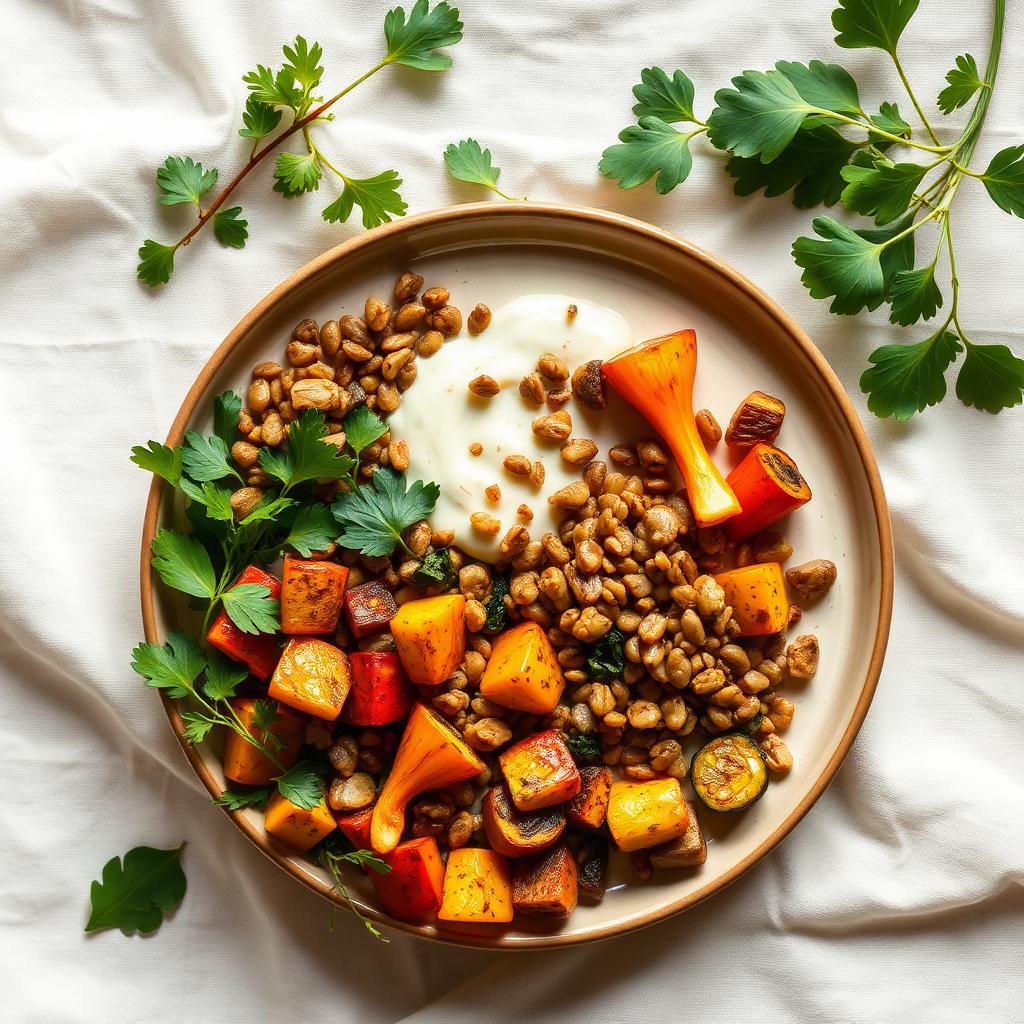
A Mediterranean-style pattern — rich in plants, oily fish, olive oil and pulses — has the strongest evidence for midlife health.
A Mediterranean-style eating pattern has more high-quality evidence for midlife health — cardiovascular, bone, cognitive and metabolic — than any single food, trend, cleanse or 'menopause diet' on the market. It's not a strict prescription. It's a set of daily habits that emphasise whole foods, plant variety, healthy fats and adequate protein, and it fits comfortably around most cultural cuisines including South Asian, Middle Eastern, West African and Caribbean cooking.
Daily basics
- Vegetables and salad at every main meal — aim for at least half your plate.
- Oily fish two or three times a week (salmon, sardines, mackerel, herring, trout) for omega-3s.
- Extra virgin olive oil as your main added fat — for cooking and dressings.
- Beans, lentils, chickpeas or split peas most days — fibre, plant protein and gut-microbiome support.
- A small handful of unsalted nuts and seeds daily (almonds, walnuts, pumpkin, flax).
- Whole grains in place of refined: oats, brown rice, wholemeal bread, bulgur, quinoa.
- Two portions of fruit a day, whole rather than juiced.
Menopause-specific priorities
- Protein 1.2–1.6 g per kg body weight, split across 3–4 meals, to preserve muscle and bone.
- Calcium 1000–1200 mg/day from dairy, tinned oily fish with bones, fortified plant milks, tofu, kale and almonds.
- Vitamin D 800–2000 IU daily October–April (all year for South Asian, Black and darker-skinned women, and anyone housebound).
- Fermented foods a few times a week (live yogurt, kefir, sauerkraut, kimchi) for gut and mood support.
- Adequate hydration — 6–8 glasses of water and herbal tea a day.
What to reduce
- Ultra-processed foods (packaged snacks, ready meals, sugary drinks, processed meats).
- Red and processed meat to no more than twice a week — bowel cancer risk in midlife matters.
- Refined carbohydrates and added sugar — cravings and cravings-driven eating settle faster than you'd expect.
- Alcohol to within (and ideally below) 14 units a week, with several drink-free days.
- Caffeine after mid-afternoon if sleep is disturbed.
What isn't necessary
- Cutting out gluten or dairy without medical reason — you lose a lot of useful food and rarely gain anything.
- Expensive 'menopause diet' subscriptions, personalised smoothie plans or DNA-based diets.
- Detoxes, cleanses or juicing regimes — the liver and kidneys are quietly doing the work.
- Rigid intermittent fasting for most women at this life stage — it can worsen sleep, mood and muscle preservation.
Working around common concerns
- Bloating: reduce carbonated drinks, chew slowly, add slow-cooked pulses gradually, consider a low-FODMAP trial only under dietitian guidance.
- Reflux: smaller evening meals, no eating within 3 hours of lying down, review alcohol and caffeine.
- Cost of living: tinned oily fish, frozen vegetables, dried lentils and rolled oats give the biggest nutritional return.
Key takeaway
The best menopause diet is a Mediterranean-style pattern that you can genuinely see yourself eating in ten years — flexible, culturally comfortable, and heavy on plants, protein and olive oil.
How Dr Awal approaches this in clinic
Every consultation starts with your full story — symptoms, cycle, medical history, family history and what you've already tried. From there we look at whether hormonal treatment, non-hormonal options, lifestyle changes or a combination will give you the best result, and we tailor the plan to your age, risk factors and preferences.
- A detailed 60 minute first appointment — no rushed 10-minute slots.
- Evidence-based recommendations aligned with NICE NG23 and BMS guidance.
- Body-identical HRT considered first-line where appropriate.
- Shared-care letters sent to your NHS GP so treatment can continue affordably.
- Follow-up at 3 months to fine-tune your regimen and address side effects.
- Ongoing annual reviews so your plan evolves with you.
Common questions we hear about this
Do I need to be at a certain age to be seen?
No. We see women in early perimenopause (often late 30s and 40s), through post-menopause and beyond. Age alone doesn't decide whether treatment is right — symptoms, health history and goals do.
Will my GP continue the prescription?
In most cases yes. After your consultation we send a detailed shared-care letter with the diagnosis, treatment plan and rationale so your NHS GP can prescribe on the NHS. Not every practice accepts shared care — we'll discuss this in your appointment.
What if I've tried HRT before and it didn't suit me?
Very common — often the type, dose or route wasn't right rather than HRT itself. We review what you've tried, why it didn't work, and adjust accordingly. Many women who thought HRT wasn't for them do well on a different preparation.
How long will I need to stay on treatment?
There is no set upper time limit for HRT. Current BMS and NICE guidance supports continuing HRT for as long as the benefits outweigh the risks for you personally. We review this together every year so you stay in control of the decision.
Where do you see patients?
All consultations at Pause and Co Healthcare are conducted securely via video, allowing us to support patients anywhere in the UK. Prescriptions and shared care arrangements are managed in the same way, regardless of your location.
About the author
Dr Nadira Awal is a British Menopause Society Advanced Menopause Specialist with 15+ years' NHS and private experience. She holds the BMS Advanced Certificate in Menopause Care, sits on the BMS Programme Planning Group, and advises the UK Government Menopause Strategy Group. Read her full profile.
Sources & further reading
General information only — not a substitute for personalised medical advice. Always speak to your GP or a menopause specialist about your own situation.
Talk it through
Book a private consultation with Dr Awal
Get evidence-based, personalised advice on menopause healthy diet plan and any related concerns.
Related in Weight & Nutrition
Continue reading
Menopause and Weight Gain
Why weight distributes differently in midlife and what to do about it.
Read guide

Losing Menopause Weight
Evidence-based, sustainable strategies for weight change at midlife.
Read guide
Stopping Menopause Hunger
Understanding appetite changes and steadying blood sugar.
Read guide