Weight & Nutrition
Losing Menopause Weight
Evidence-based, sustainable strategies for weight change at midlife.

Crash diets rarely help in midlife. Progressive resistance training, adequate protein, sleep and — where indicated — HRT are the foundations.
Sustainable fat loss at midlife looks very different from your 20s and 30s. The strategies that worked then — cutting carbs, running more, eating less — often stop working and can even accelerate muscle loss. What replaces them is a slower, muscle-first, sleep-first approach that produces changes in body composition without wrecking your metabolism.
The winning formula
- Prioritise muscle: 2–3 progressive strength sessions per week using compound lifts and full range of motion.
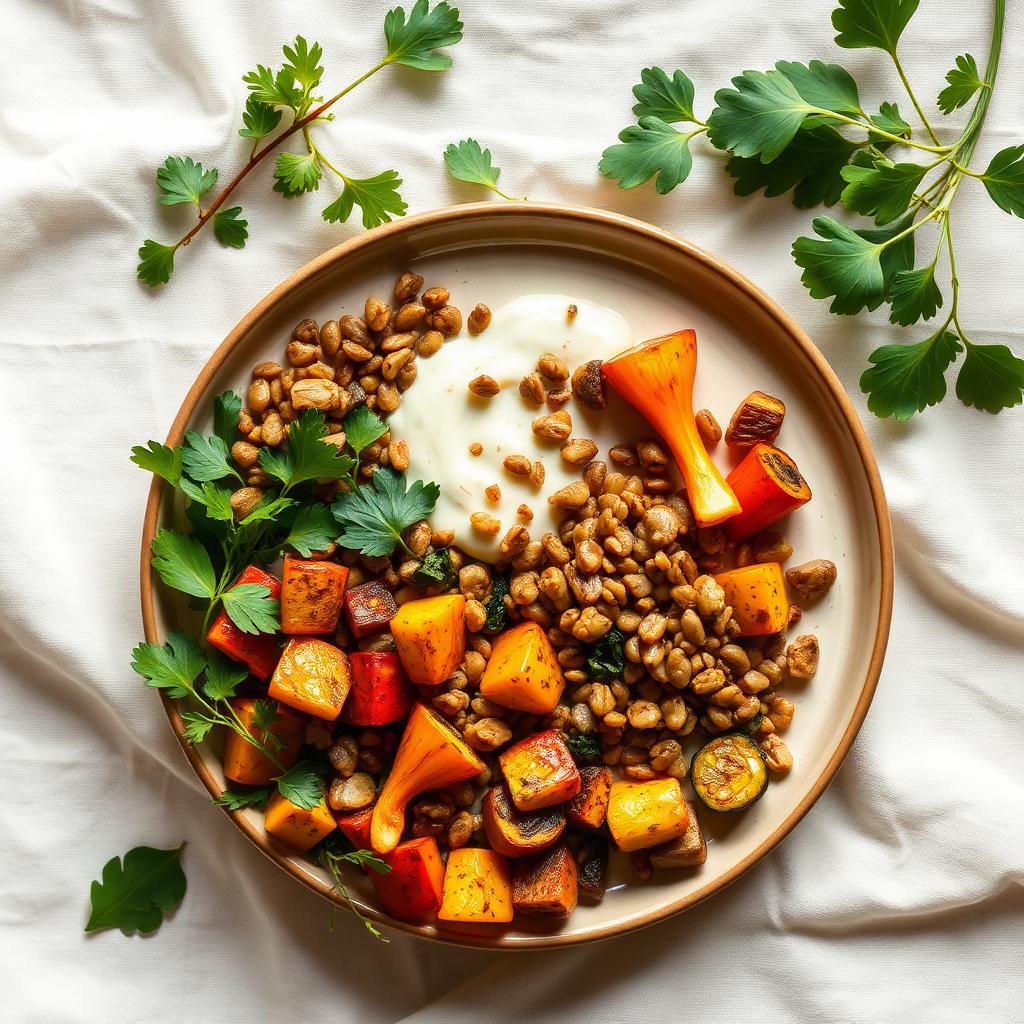
- Anchor every meal with 25–35 g of protein — eggs, Greek yogurt, cottage cheese, tofu, tempeh, fish, chicken, beans and lentils.
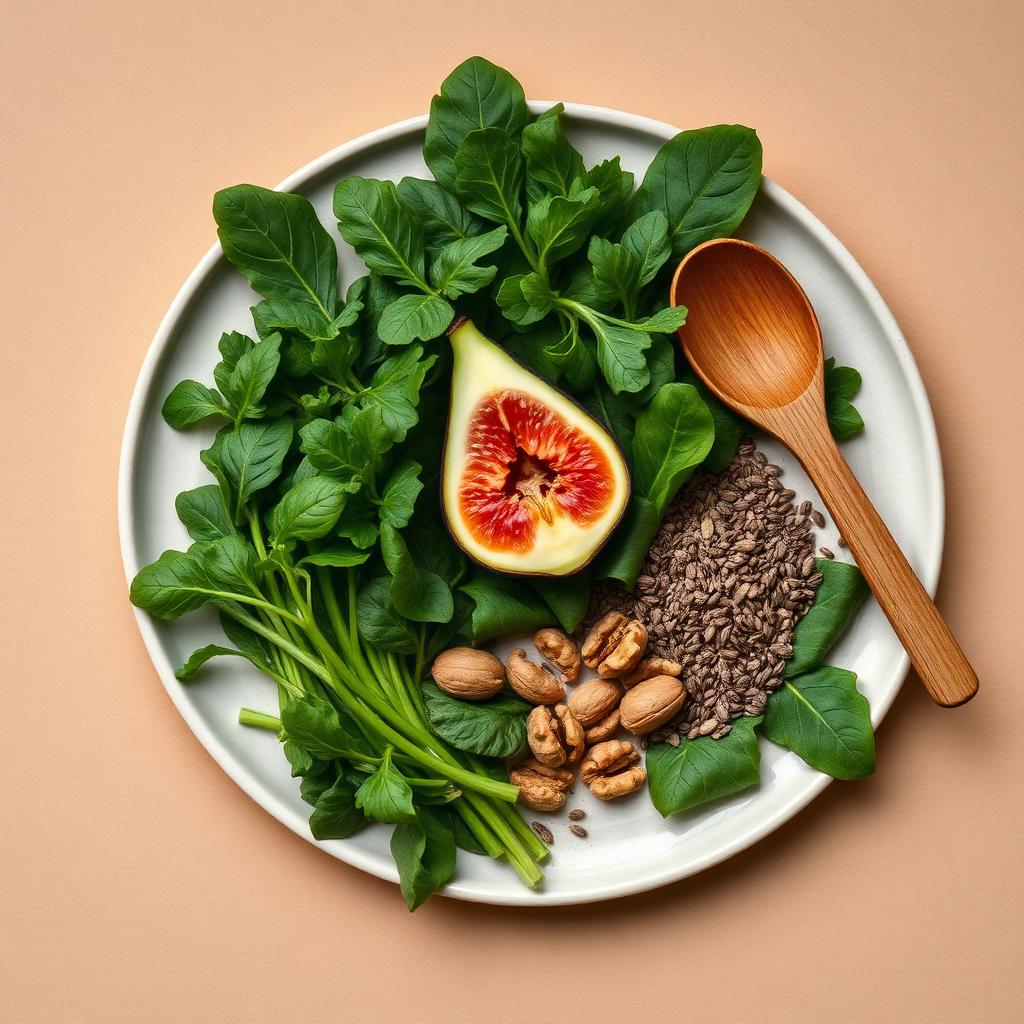
- Fill half your plate with vegetables, salad or a broth-based soup at lunch and dinner.
- Sleep 7–8 hours. Poor sleep measurably raises ghrelin (hunger) and lowers leptin (fullness), and pushes cravings toward sugar and refined carbs.
- Add zone 2 cardio 2–3 times a week for cardiovascular and insulin-sensitivity gains.
- Reduce alcohol — it stalls fat loss more than any single food.
Realistic pace and measurement
- 0.25–0.5 kg per week is sustainable and preserves muscle.
- Body composition matters more than scale weight: waist measurement, strength progression and how clothes fit.
- Expect weeks of no scale movement while inches drop — this is normal and desirable.
- Track only what changes behaviour; obsessive daily weighing is unhelpful for most.
Nutrition detail
- Roughly 1.2–1.6 g protein per kg body weight, spread across 3–4 meals, is enough for most midlife women.
- Fibre 30 g a day from vegetables, beans, whole grains, fruit and nuts — better satiety and gut health.
- Ultra-processed foods (packaged snacks, ready meals, sugary drinks) are the most consistent driver of overconsumption.
- You don't need to cut carbs; you need to shift to slower carbs (oats, beans, sourdough, whole fruit) alongside protein.
Where medication fits
- GLP-1 medicines (semaglutide/Wegovy, tirzepatide/Mounjaro) are used in midlife weight care with strict criteria (usually BMI ≥30, or ≥27.5 with weight-related conditions).
- They work best combined with strength training and high protein; without those, muscle loss is significant.
- Side effects (nausea, reflux, constipation, gallbladder issues) matter; not everyone tolerates them.
- Metformin is sometimes offered where insulin resistance is a driver.
Where HRT fits
- HRT doesn't produce weight loss directly but preserves muscle, improves sleep and reduces cravings for many women — which supports fat loss efforts.
- Poor sleep is one of the most powerful blockers of weight change; treating night sweats often unlocks progress.
When to seek a specialist review
- BMI ≥30, especially with raised blood pressure, HbA1c, cholesterol or waist ≥88 cm.
- Recurrent yo-yo weight change with disordered eating patterns or significant impact on mental health.
- Suspected PCOS, thyroid dysfunction or Cushing's — worth ruling in or out.
Key takeaway
The midlife fat-loss playbook is muscle, protein, sleep and time — in that order. Move first, eat well, and let the scale catch up.
How Dr Awal approaches this in clinic
Every consultation starts with your full story — symptoms, cycle, medical history, family history and what you've already tried. From there we look at whether hormonal treatment, non-hormonal options, lifestyle changes or a combination will give you the best result, and we tailor the plan to your age, risk factors and preferences.
- A detailed 60 minute first appointment — no rushed 10-minute slots.
- Evidence-based recommendations aligned with NICE NG23 and BMS guidance.
- Body-identical HRT considered first-line where appropriate.
- Shared-care letters sent to your NHS GP so treatment can continue affordably.
- Follow-up at 3 months to fine-tune your regimen and address side effects.
- Ongoing annual reviews so your plan evolves with you.
Common questions we hear about this
Do I need to be at a certain age to be seen?
No. We see women in early perimenopause (often late 30s and 40s), through post-menopause and beyond. Age alone doesn't decide whether treatment is right — symptoms, health history and goals do.
Will my GP continue the prescription?
In most cases yes. After your consultation we send a detailed shared-care letter with the diagnosis, treatment plan and rationale so your NHS GP can prescribe on the NHS. Not every practice accepts shared care — we'll discuss this in your appointment.
What if I've tried HRT before and it didn't suit me?
Very common — often the type, dose or route wasn't right rather than HRT itself. We review what you've tried, why it didn't work, and adjust accordingly. Many women who thought HRT wasn't for them do well on a different preparation.
How long will I need to stay on treatment?
There is no set upper time limit for HRT. Current BMS and NICE guidance supports continuing HRT for as long as the benefits outweigh the risks for you personally. We review this together every year so you stay in control of the decision.
Where do you see patients?
All consultations at Pause and Co Healthcare are conducted securely via video, allowing us to support patients anywhere in the UK. Prescriptions and shared care arrangements are managed in the same way, regardless of your location.
About the author
Dr Nadira Awal is a British Menopause Society Advanced Menopause Specialist with 15+ years' NHS and private experience. She holds the BMS Advanced Certificate in Menopause Care, sits on the BMS Programme Planning Group, and advises the UK Government Menopause Strategy Group. Read her full profile.
Sources & further reading
General information only — not a substitute for personalised medical advice. Always speak to your GP or a menopause specialist about your own situation.
Talk it through
Book a private consultation with Dr Awal
Get evidence-based, personalised advice on losing menopause weight and any related concerns.
Related in Weight & Nutrition