
Weight & Nutrition
Stopping Menopause Hunger
Understanding appetite changes and steadying blood sugar.
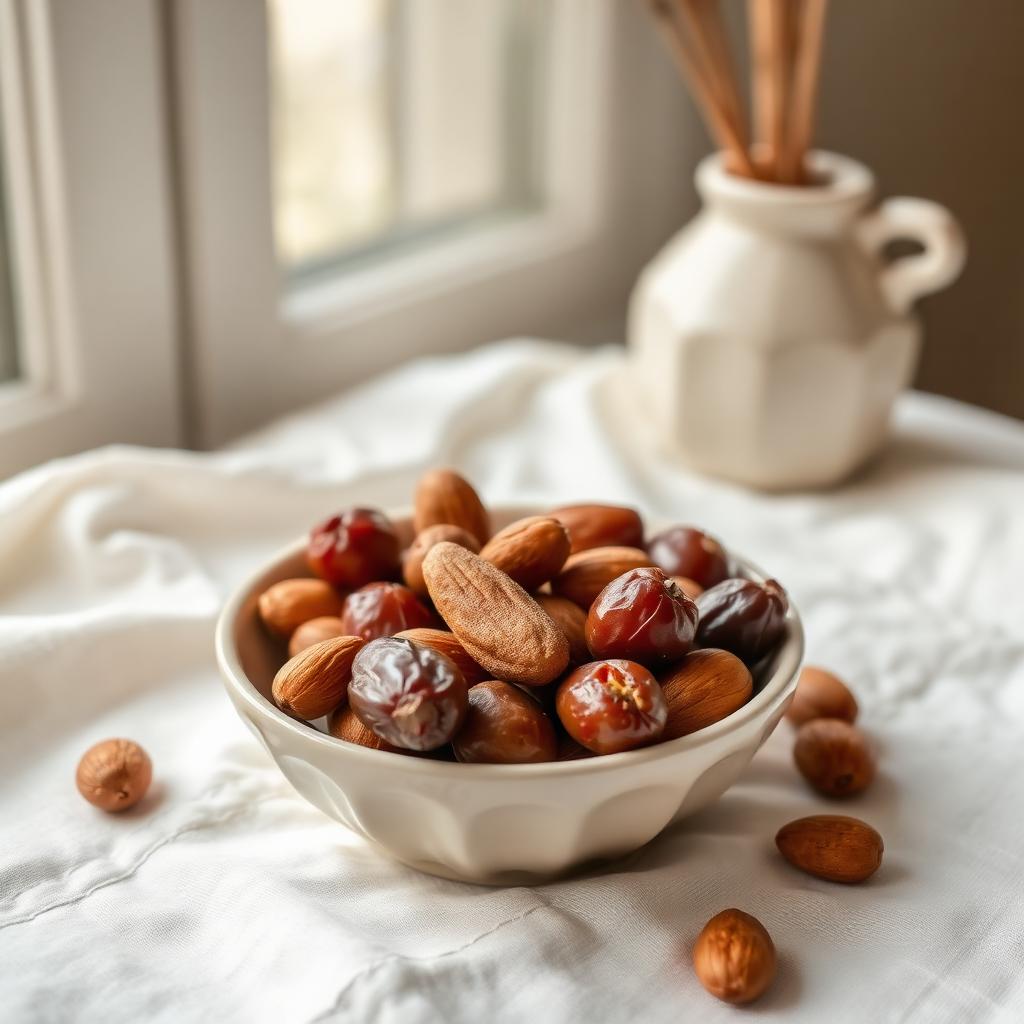
Insulin and appetite hormones shift in midlife. Protein-anchored meals, fibre and mindful eating steady hunger without deprivation.
Increased hunger, snacking and late-evening cravings in midlife are real and hormonal — not a failure of will. Falling oestrogen weakens satiety signalling, rising insulin resistance drives blood sugar swings, and poor sleep pushes hunger and reward hormones out of balance within days. The good news is that a few well-placed changes settle appetite reliably within a couple of weeks.
What drives midlife hunger
- Falling oestrogen reduces satiety signalling in the hypothalamus.
- Insulin sensitivity drops subtly, so blood sugar dips faster after a light or carb-heavy meal, driving cravings 2–3 hours later.
- Poor sleep raises ghrelin (hunger) and lowers leptin (fullness) within a single night.
- Emotional load and stress push you toward quick, dopamine-rich foods.
- Alcohol lowers inhibition and drives late-evening grazing.
What steadies appetite
- A protein-first breakfast (eggs, Greek yogurt, cottage cheese, smoked salmon, tofu scramble) with 25–35 g of protein.
- Fibre with every meal — vegetables, salad, beans, whole grains, fruit.
- Healthy fats — olive oil, avocado, oily fish, nuts, seeds — slow gastric emptying and prolong fullness.
- Adequate hydration — thirst is often felt as hunger; try a glass of water before snacking.
- 7+ hours of sleep — the single biggest hunger-hormone reset available.
- Meal spacing every 3–4 hours in the day; avoid marathon 6-hour gaps that end in a crash.
A workable snack framework
- Pair protein with fibre: apple + almond butter, hummus + carrots, Greek yogurt + berries, oatcakes + cheese.
- Avoid drinking calories — juice, sugary coffees and alcohol don't register as fullness.
- Keep pre-portioned protein snacks visible (boiled eggs, edamame, cottage cheese pots) for the 4pm slump.
- Have a plan for the evening — most midlife 'willpower failures' happen between 8pm and 11pm after a low-protein day.
Behavioural levers that work
- Eat sitting down, not standing at the counter or in front of a screen — you notice fullness earlier.
- Notice whether you're hungry, thirsty, tired or stressed before you eat — different needs, different fixes.
- Keep tempting foods out of easy sight; keep fruit and protein snacks visible.
- Track cravings for one week — patterns (afternoon, premenstrual, post-alcohol) reveal themselves fast.
Where HRT and medication fit
- HRT indirectly steadies appetite for many women by improving sleep and mood.
- GLP-1 medicines dramatically reduce appetite where indicated by BMI and metabolic risk — under specialist supervision.
- SSRIs sometimes worsen appetite; discuss alternatives if this is a new problem.
When to seek review
- Sudden extreme hunger with unintentional weight loss — thyroid and diabetes checks are important.
- Binge-eating patterns causing distress — cognitive behavioural therapy for eating disorders is highly effective.
- Hunger driven by low mood or anxiety that isn't lifting.
Key takeaway
For most midlife women, protein at breakfast, sleep in double figures of hours across a week, and reduced alcohol will resettle appetite faster than any diet plan.
How Dr Awal approaches this in clinic
Every consultation starts with your full story — symptoms, cycle, medical history, family history and what you've already tried. From there we look at whether hormonal treatment, non-hormonal options, lifestyle changes or a combination will give you the best result, and we tailor the plan to your age, risk factors and preferences.
- A detailed 60 minute first appointment — no rushed 10-minute slots.
- Evidence-based recommendations aligned with NICE NG23 and BMS guidance.
- Body-identical HRT considered first-line where appropriate.
- Shared-care letters sent to your NHS GP so treatment can continue affordably.
- Follow-up at 3 months to fine-tune your regimen and address side effects.
- Ongoing annual reviews so your plan evolves with you.
Common questions we hear about this
Do I need to be at a certain age to be seen?
No. We see women in early perimenopause (often late 30s and 40s), through post-menopause and beyond. Age alone doesn't decide whether treatment is right — symptoms, health history and goals do.
Will my GP continue the prescription?
In most cases yes. After your consultation we send a detailed shared-care letter with the diagnosis, treatment plan and rationale so your NHS GP can prescribe on the NHS. Not every practice accepts shared care — we'll discuss this in your appointment.
What if I've tried HRT before and it didn't suit me?
Very common — often the type, dose or route wasn't right rather than HRT itself. We review what you've tried, why it didn't work, and adjust accordingly. Many women who thought HRT wasn't for them do well on a different preparation.
How long will I need to stay on treatment?
There is no set upper time limit for HRT. Current BMS and NICE guidance supports continuing HRT for as long as the benefits outweigh the risks for you personally. We review this together every year so you stay in control of the decision.
Where do you see patients?
All consultations at Pause and Co Healthcare are conducted securely via video, allowing us to support patients anywhere in the UK. Prescriptions and shared care arrangements are managed in the same way, regardless of your location.
About the author
Dr Nadira Awal is a British Menopause Society Advanced Menopause Specialist with 15+ years' NHS and private experience. She holds the BMS Advanced Certificate in Menopause Care, sits on the BMS Programme Planning Group, and advises the UK Government Menopause Strategy Group. Read her full profile.
Sources & further reading
General information only — not a substitute for personalised medical advice. Always speak to your GP or a menopause specialist about your own situation.
Talk it through
Book a private consultation with Dr Awal
Get evidence-based, personalised advice on stopping menopause hunger and any related concerns.
Related in Weight & Nutrition
Continue reading
Menopause and Weight Gain
Why weight distributes differently in midlife and what to do about it.
Read guide

Losing Menopause Weight
Evidence-based, sustainable strategies for weight change at midlife.
Read guide

Menopause Healthy Diet Plan
What to eat and what to avoid to support hormones and heart.
Read guide