
Gynae
Heavy Bleeding in the Menopause
When heavy periods need investigating and what treatments help.

Heavier and less predictable periods are common in perimenopause but must never be ignored. Learn what patterns need urgent review and what treatment options exist.
Heavy, prolonged or unpredictable periods are one of the defining features of perimenopause — but 'common' does not mean 'benign' and it does not mean 'just get on with it'. Falling and fluctuating progesterone allows oestrogen to build the womb lining more thickly than usual; when it eventually sheds, the result can be flooding periods, giant clots, and cycles that arrive every 2 weeks or vanish for 3 months and return with a vengeance. Some patterns are physiological and settle with the right treatment; others need imaging to rule out fibroids, polyps or, uncommonly, endometrial pathology. As a menopause specialist and GP, my rule is simple: quality of life matters, and so does exclusion of anything sinister. Both are usually achievable in one careful consultation.
What counts as heavy menstrual bleeding (HMB)
- Flooding through pads or tampons, or needing double protection.
- Changing protection every 1–2 hours on the heaviest day.
- Passing clots larger than a 10p coin.
- Bleeding lasting more than 7 days.
- Bleeding heavy enough to affect work, sleep, exercise, sex or social life.
- Symptoms of iron-deficiency anaemia: fatigue, breathlessness on exertion, restless legs, hair thinning.
Common perimenopausal patterns to expect
- Cycle shortening (periods every 21–24 days) as ovulation becomes less reliable.
- Skipped cycles followed by a heavier-than-usual bleed 6–10 weeks later.
- Progressive worsening of premenstrual mood and physical symptoms.
- Eventually longer gaps between periods, then 12 months without.
Red flag patterns that need prompt review
- Any bleeding between periods (intermenstrual bleeding).
- Any bleeding after sex (postcoital bleeding).
- Any bleeding 12 months or more after your last period (post-menopausal bleeding) — this is a 2-week-wait referral until proven otherwise.
- Unscheduled bleeding on continuous combined HRT beyond 6 months.
- Bleeding severe enough to cause anaemia (Hb below 120 g/L).
- New heavy bleeding with pelvic pain, weight loss or persistent bloating.
What investigations typically involve
- Full blood count and ferritin — to detect and quantify anaemia.
- Thyroid function, coagulation screen if indicated.
- Cervical screening if overdue; STI swabs if postcoital bleeding.
- Pelvic ultrasound — the workhorse investigation — to assess endometrial thickness, look for fibroids or polyps and check the ovaries.
- Hysteroscopy (a slim camera inside the womb, usually as an outpatient) to visualise and often treat polyps in the same visit.
- Endometrial biopsy if the lining is thickened or bleeding patterns are concerning.
Non-hormonal treatments that work quickly
- Tranexamic acid 1 g three times daily during the heaviest 3–4 days — reduces flow by ~50%.
- Mefenamic acid 500 mg three times daily during periods — modestly reduces flow and helps pain (avoid if aspirin-sensitive or gastric ulcers).
- Iron supplementation once ferritin is low; aim for ferritin > 50 μg/L.
Hormonal treatments in perimenopause
- Mirena IUS — reduces menstrual blood loss by 70–95% and simultaneously acts as the progestogen component of HRT if oestrogen is added.
- Cyclical HRT (oestrogen daily + 12–14 days of progestogen per cycle) — can regulate erratic bleeding while treating flushes, sleep and mood.
- Combined oral contraceptive (if suitable and under 50) — reduces bleeding and provides contraception.
- Progestogen-only pill or norethisterone short courses — useful bridging options.
Procedural and surgical options
- Endometrial ablation for women who have completed their family and don't want a hysterectomy.
- Uterine artery embolisation or myomectomy for symptomatic fibroids.
- Hysterectomy — highly effective but reserved for failed conservative treatment or specific pathology.
When to see a specialist without delay
- Any red flag pattern above.
- Heavy bleeding not settling on tranexamic acid, Mirena or cyclical HRT after 3–6 months.
- Anaemia not correcting despite treatment.
- Family history of endometrial or bowel cancer, or you have a known bleeding disorder.
Key takeaway
Heavy perimenopausal bleeding is common, disruptive and treatable — but red-flag patterns need proper investigation, and no woman should have to plan her life around her periods when effective options exist.
How Dr Awal approaches this in clinic
Every consultation starts with your full story — symptoms, cycle, medical history, family history and what you've already tried. From there we look at whether hormonal treatment, non-hormonal options, lifestyle changes or a combination will give you the best result, and we tailor the plan to your age, risk factors and preferences.
- A detailed 60 minute first appointment — no rushed 10-minute slots.
- Evidence-based recommendations aligned with NICE NG23 and BMS guidance.
- Body-identical HRT considered first-line where appropriate.
- Shared-care letters sent to your NHS GP so treatment can continue affordably.
- Follow-up at 3 months to fine-tune your regimen and address side effects.
- Ongoing annual reviews so your plan evolves with you.
Common questions we hear about this
Do I need to be at a certain age to be seen?
No. We see women in early perimenopause (often late 30s and 40s), through post-menopause and beyond. Age alone doesn't decide whether treatment is right — symptoms, health history and goals do.
Will my GP continue the prescription?
In most cases yes. After your consultation we send a detailed shared-care letter with the diagnosis, treatment plan and rationale so your NHS GP can prescribe on the NHS. Not every practice accepts shared care — we'll discuss this in your appointment.
What if I've tried HRT before and it didn't suit me?
Very common — often the type, dose or route wasn't right rather than HRT itself. We review what you've tried, why it didn't work, and adjust accordingly. Many women who thought HRT wasn't for them do well on a different preparation.
How long will I need to stay on treatment?
There is no set upper time limit for HRT. Current BMS and NICE guidance supports continuing HRT for as long as the benefits outweigh the risks for you personally. We review this together every year so you stay in control of the decision.
Where do you see patients?
All consultations at Pause and Co Healthcare are conducted securely via video, allowing us to support patients anywhere in the UK. Prescriptions and shared care arrangements are managed in the same way, regardless of your location.
About the author
Dr Nadira Awal is a British Menopause Society Advanced Menopause Specialist with 15+ years' NHS and private experience. She holds the BMS Advanced Certificate in Menopause Care, sits on the BMS Programme Planning Group, and advises the UK Government Menopause Strategy Group. Read her full profile.
Sources & further reading
General information only — not a substitute for personalised medical advice. Always speak to your GP or a menopause specialist about your own situation.
Talk it through
Book a private consultation with Dr Awal
Get evidence-based, personalised advice on heavy bleeding in the menopause and any related concerns.
Related in Gynae
Continue reading

Contraception in Perimenopause
When to stop contraception, FSRH guidance and how the Mirena doubles as HRT progestogen.
Read guide

Endometriosis
How endometriosis behaves during perimenopause and postmenopause.
Read guide
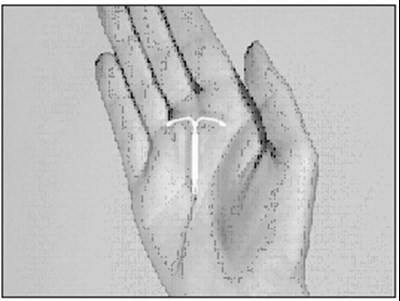
What is the Mirena Coil?
How the Mirena works as contraception and as HRT progestogen.
Read guide