
Weight & Nutrition
The Mediterranean Diet in Menopause
The most robustly evidenced eating pattern for midlife heart, brain and mood health.
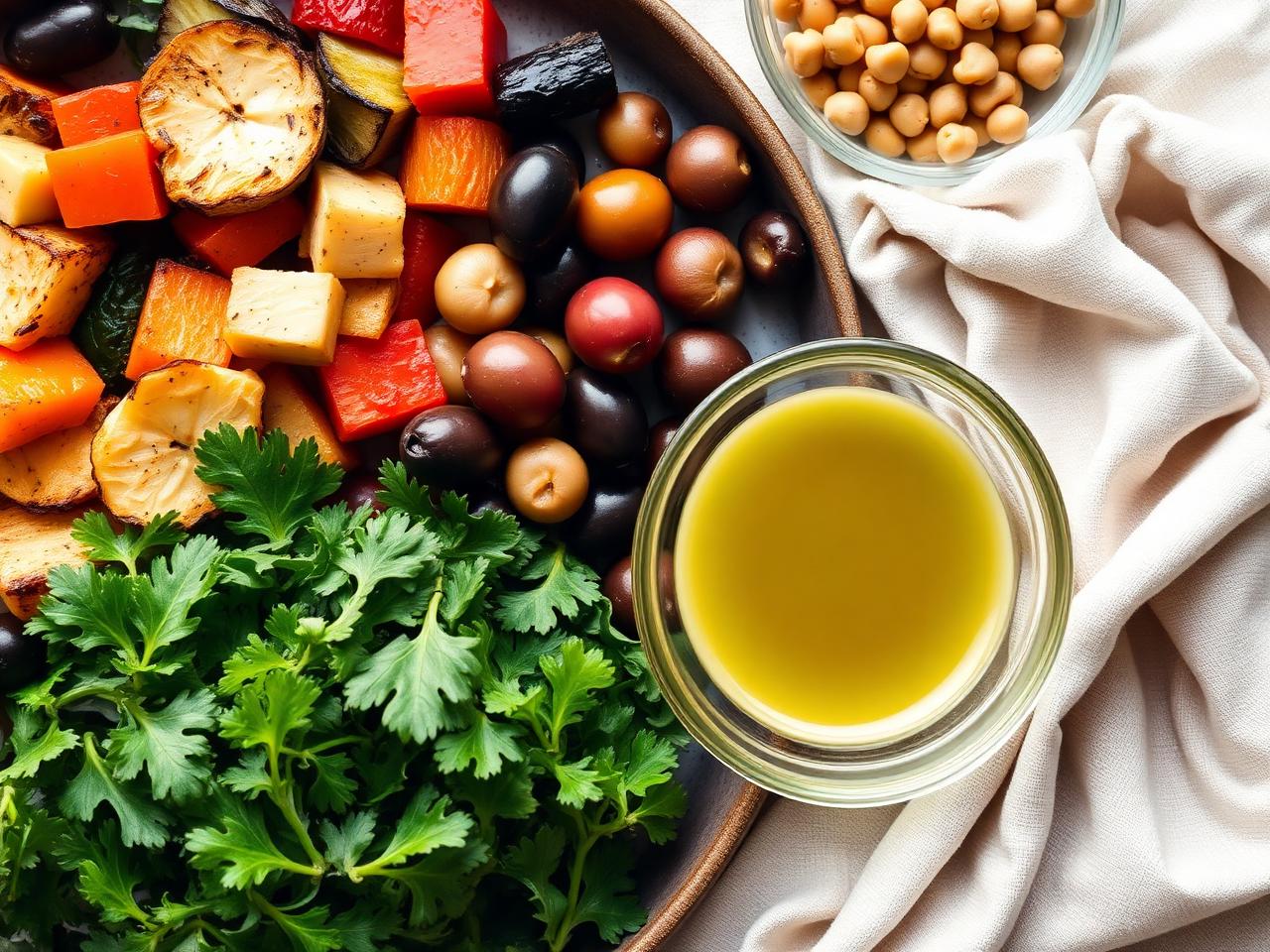
Olive oil, oily fish, pulses, nuts, whole grains, vegetables and modest alcohol. Not a rigid diet — a way of eating your future body will thank you for.
The Mediterranean pattern is not a diet in the weight-loss sense — it is the eating style with the strongest evidence base for midlife women’s health. Landmark trials (PREDIMED, PREDIMED-Plus, Lyon Heart) show reductions in cardiovascular events, dementia, type 2 diabetes, hip fracture and depression. For menopausal women specifically, observational data links closer adherence with fewer hot flushes, better sleep, less abdominal fat gain and lower breast cancer recurrence rates. It is also sustainable, affordable and can be built from a UK supermarket without any specialist ingredients.
What ‘Mediterranean’ actually means
- Extra-virgin olive oil as the main cooking and dressing fat — 3–4 tablespoons a day is the trial dose.
- Vegetables at every meal, aiming for half the plate; a wide variety of colours across the week.
- Pulses (lentils, chickpeas, beans) 3+ times a week — the cornerstone protein of the pattern.
- Oily fish (salmon, sardines, mackerel, anchovies) 2–3 times a week for omega-3 and vitamin D.
- Wholegrains (barley, farro, wholegrain bread, brown rice) rather than refined starches.
- A handful of nuts daily — walnuts, almonds, hazelnuts — and seeds (flax, pumpkin, chia).
- Moderate dairy, mainly fermented (yogurt, kefir, feta, parmesan) rather than milk in volume.
- Herbs and spices generously; salt sparingly.
- Red meat once a week or less; poultry and eggs in moderation.
- Water as the default drink; wine, if consumed, in small amounts with meals — increasingly, women choose to skip it entirely.
Why it works for menopause specifically
- Polyphenols from olive oil, nuts, coloured vegetables and berries reduce oxidative stress and vascular inflammation — key drivers of midlife cardiovascular risk.
- High fibre (30 g+/day) supports the estrobolome, softens LDL cholesterol and stabilises blood glucose — helpful for insulin resistance that emerges in perimenopause.
- Omega-3 from oily fish supports mood, cognition and joint pain — three symptoms that respond visibly within 6–8 weeks.
- Plant sterols and monounsaturated fats improve lipid profiles independently of statins.
- A modest calorie density with high satiety helps blunt the abdominal weight gain that follows falling oestrogen.
Evidence at a glance
- PREDIMED (Spain, n=7,447): 30% reduction in major cardiovascular events with Mediterranean diet + extra-virgin olive oil or nuts vs low-fat.
- Cache County Study: closer adherence associated with 34% lower dementia risk.
- Lyon Heart Study: 50–70% reduction in recurrent cardiac events over 4 years.
- SMILES trial: Mediterranean-style diet as effective as social support for moderate depression.
- Observational data from the Study of Women’s Health Across the Nation (SWAN) links adherence with fewer vasomotor symptoms.
A one-week UK Mediterranean template
- Breakfast rotation: Greek yogurt with berries and walnuts; sourdough with tomato, olive oil and feta; overnight oats with chia and flaked almonds.
- Lunch rotation: chickpea and roasted vegetable salad; lentil soup with wholegrain bread; mackerel on rye with pickled cucumber.
- Dinner rotation: baked salmon with lemon and greens; slow-cooked bean stew with olive oil; roast chicken with olive-oil traybake vegetables and farro.
- Snacks: olives, nuts, a piece of fruit, hummus with vegetables, a square of 85% dark chocolate.
- Store cupboard essentials: tinned tomatoes, tinned oily fish, dried lentils and beans, olive oil, oats, wholegrain pasta, garlic, onions, lemons.
Easy UK swaps that unlock the pattern
- Butter or vegetable oil → extra-virgin olive oil for cooking and dressings.
- White bread → sourdough or seeded rye.
- Breakfast cereal with milk → yogurt with fruit, nuts and a drizzle of olive oil.
- Crisps → olives, nuts or oatcakes with hummus.
- Red meat mid-week → tinned sardines on toast or a lentil dhal.
- Sugary desserts → fruit, dark chocolate and a small piece of cheese.
Common pitfalls
- ‘Mediterranean-inspired’ ready meals that are actually high in salt, sugar and refined starch — read the label.
- Under-fatting: extra-virgin olive oil is central. Do not cut it to lose weight; it is why the pattern works.
- Excess wine — the ‘glass of red is good for you’ line is outdated. Modern data show even small amounts add breast cancer risk.
- Insufficient pulses — this is the biggest gap in UK adherence and the cheapest fix.
- Making it aspirational instead of routine — batch cook, freeze portions, keep tinned pulses and fish in the cupboard.
Where it fits with HRT and other treatments
- The Mediterranean pattern amplifies the cardiovascular and bone benefits of HRT and reduces the visceral fat that blunts them.
- It supports the gut microbiome that helps recycle oestrogen — women often notice HRT ‘works better’ within 6–8 weeks of switching eating pattern.
- For women who cannot or choose not to take HRT, this pattern is arguably the strongest non-hormonal lever available.
Key takeaway
You don’t need to be perfect — aim for consistently Mediterranean-ish: olive oil as the main fat, plants and pulses at most meals, oily fish twice a week, wholegrains rather than refined starches, and modest alcohol.
How Dr Awal approaches this in clinic
Every consultation starts with your full story — symptoms, cycle, medical history, family history and what you've already tried. From there we look at whether hormonal treatment, non-hormonal options, lifestyle changes or a combination will give you the best result, and we tailor the plan to your age, risk factors and preferences.
- A detailed 60 minute first appointment — no rushed 10-minute slots.
- Evidence-based recommendations aligned with NICE NG23 and BMS guidance.
- Body-identical HRT considered first-line where appropriate.
- Shared-care letters sent to your NHS GP so treatment can continue affordably.
- Follow-up at 3 months to fine-tune your regimen and address side effects.
- Ongoing annual reviews so your plan evolves with you.
Common questions we hear about this
Do I need to be at a certain age to be seen?
No. We see women in early perimenopause (often late 30s and 40s), through post-menopause and beyond. Age alone doesn't decide whether treatment is right — symptoms, health history and goals do.
Will my GP continue the prescription?
In most cases yes. After your consultation we send a detailed shared-care letter with the diagnosis, treatment plan and rationale so your NHS GP can prescribe on the NHS. Not every practice accepts shared care — we'll discuss this in your appointment.
What if I've tried HRT before and it didn't suit me?
Very common — often the type, dose or route wasn't right rather than HRT itself. We review what you've tried, why it didn't work, and adjust accordingly. Many women who thought HRT wasn't for them do well on a different preparation.
How long will I need to stay on treatment?
There is no set upper time limit for HRT. Current BMS and NICE guidance supports continuing HRT for as long as the benefits outweigh the risks for you personally. We review this together every year so you stay in control of the decision.
Where do you see patients?
All consultations at Pause and Co Healthcare are conducted securely via video, allowing us to support patients anywhere in the UK. Prescriptions and shared care arrangements are managed in the same way, regardless of your location.
About the author
Dr Nadira Awal is a British Menopause Society Advanced Menopause Specialist with 15+ years' NHS and private experience. She holds the BMS Advanced Certificate in Menopause Care, sits on the BMS Programme Planning Group, and advises the UK Government Menopause Strategy Group. Read her full profile.
Sources & further reading
General information only — not a substitute for personalised medical advice. Always speak to your GP or a menopause specialist about your own situation.
Talk it through
Book a private consultation with Dr Awal
Get evidence-based, personalised advice on the mediterranean diet in menopause and any related concerns.
Related in Weight & Nutrition
Continue reading
Menopause and Weight Gain
Why weight distributes differently in midlife and what to do about it.
Read guide

Losing Menopause Weight
Evidence-based, sustainable strategies for weight change at midlife.
Read guide
Menopause Healthy Diet Plan
What to eat and what to avoid to support hormones and heart.
Read guide