
Movement
Pilates for Menopause
Why Pilates is such a good fit for the midlife back, pelvic floor and posture.
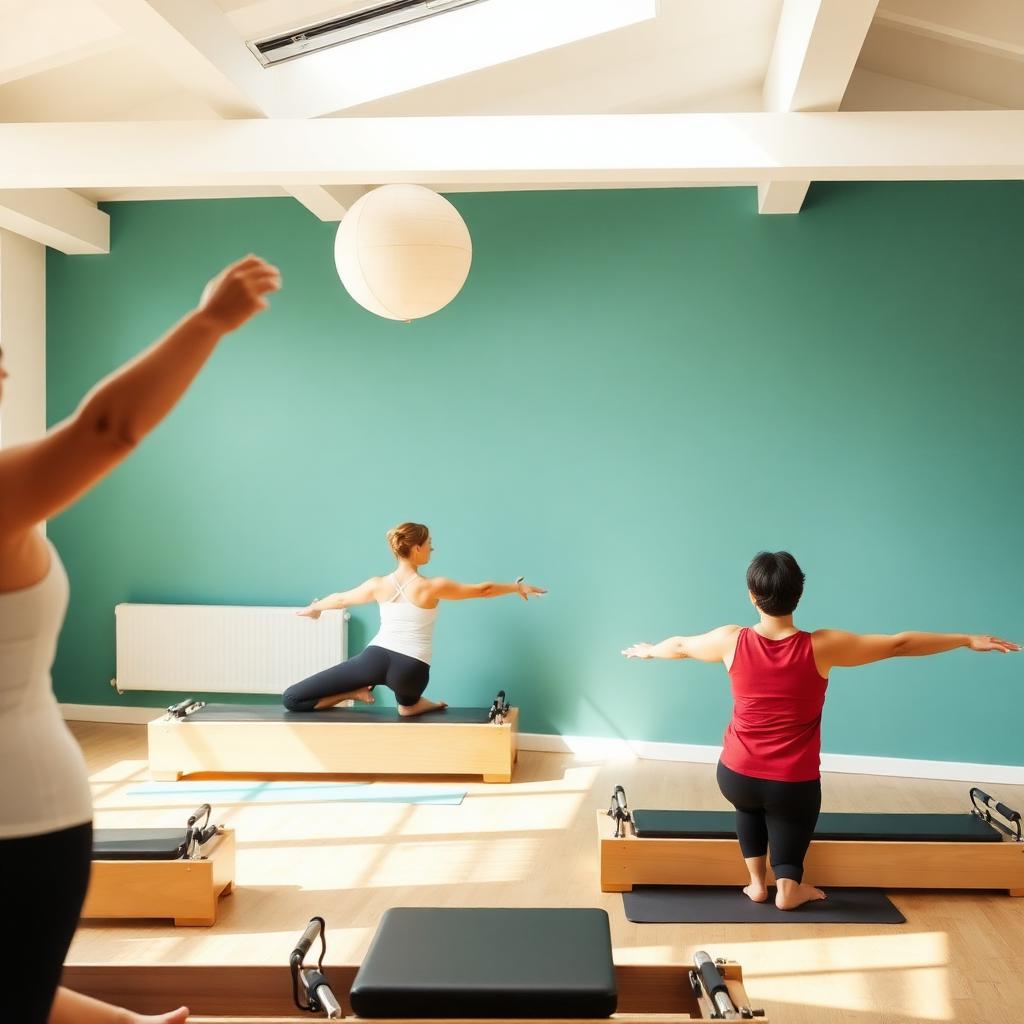
Precise, low-load, whole-body strengthening — Pilates is ideal for menopausal aches, pelvic-floor rehab and long-term joint comfort.
Pilates is one of the most quietly effective forms of movement for menopausal bodies. Developed a century ago as rehabilitation, it emphasises precise, controlled, low-load whole-body strengthening with an intense focus on the deep core, pelvic floor, spine, hips and shoulders — the exact structures that suffer most in midlife. It's especially useful for women who have been sedentary, are returning after injury, have back pain, pelvic floor issues, hypermobility, mild osteoporosis or joint problems. Two sessions a week alongside walking and strength work is often transformational for posture, balance and confidence in the body — and it scales from very gentle mat work to intense reformer sessions as fitness builds.
Why pilates suits menopausal bodies
- Menopause accelerates loss of deep spinal stabilisers (multifidus, transversus abdominis) and pelvic floor tone — pilates specifically targets both.
- Falling oestrogen affects tendon and ligament elasticity — pilates' controlled loading is joint-friendly during this transition.
- Posture changes (rounded upper back, forward head) become established in midlife — pilates directly counteracts these.
- Balance and proprioception decline from the mid-40s — reformer and standing mat work improves both, reducing future fall risk.
Where it particularly shines
- Back and neck pain — strong evidence base, especially for chronic mechanical low back pain.
- Pelvic floor rehabilitation — hypertonic and hypotonic pelvic floors both respond well to well-taught pilates.
- Balance and coordination for fall prevention — increasingly important from the 50s onwards.
- Joint comfort in arthritis, hypermobility (hEDS/HSD), and post-hysterectomy or C-section recovery.
- Diastasis recti (abdominal separation) — pilates instructors trained in postnatal work often extend this expertise to midlife.
Getting started safely
- Start with mat classes with a qualified instructor (APPI, STOTT, Body Control Pilates, or Chartered Physiotherapist trained) — form matters more than reps.
- Ideally 1:1 or small group (max 8) for the first month to learn breath, alignment and pelvic floor engagement properly.
- Reformer pilates adds resistance safely once fundamentals are solid — spring loading protects joints while building strength.
- Avoid app-only or YouTube-only pilates until you know your body can self-correct.
- Tell your instructor about osteoporosis, prolapse, hernias, recent surgery, hypermobility, pregnancy history and any diagnosed pelvic floor issues.
How much and how often
- 2 sessions a week is the sweet spot — enough to see change without displacing walking, cardio and strength work.
- 10–15 minutes of daily home mat work (a short YouTube routine or app like Alo Moves once basics are learned) compounds beautifully.
- Combine with 2 strength sessions and daily walking for the classic midlife exercise stack.
Cautions and adaptations
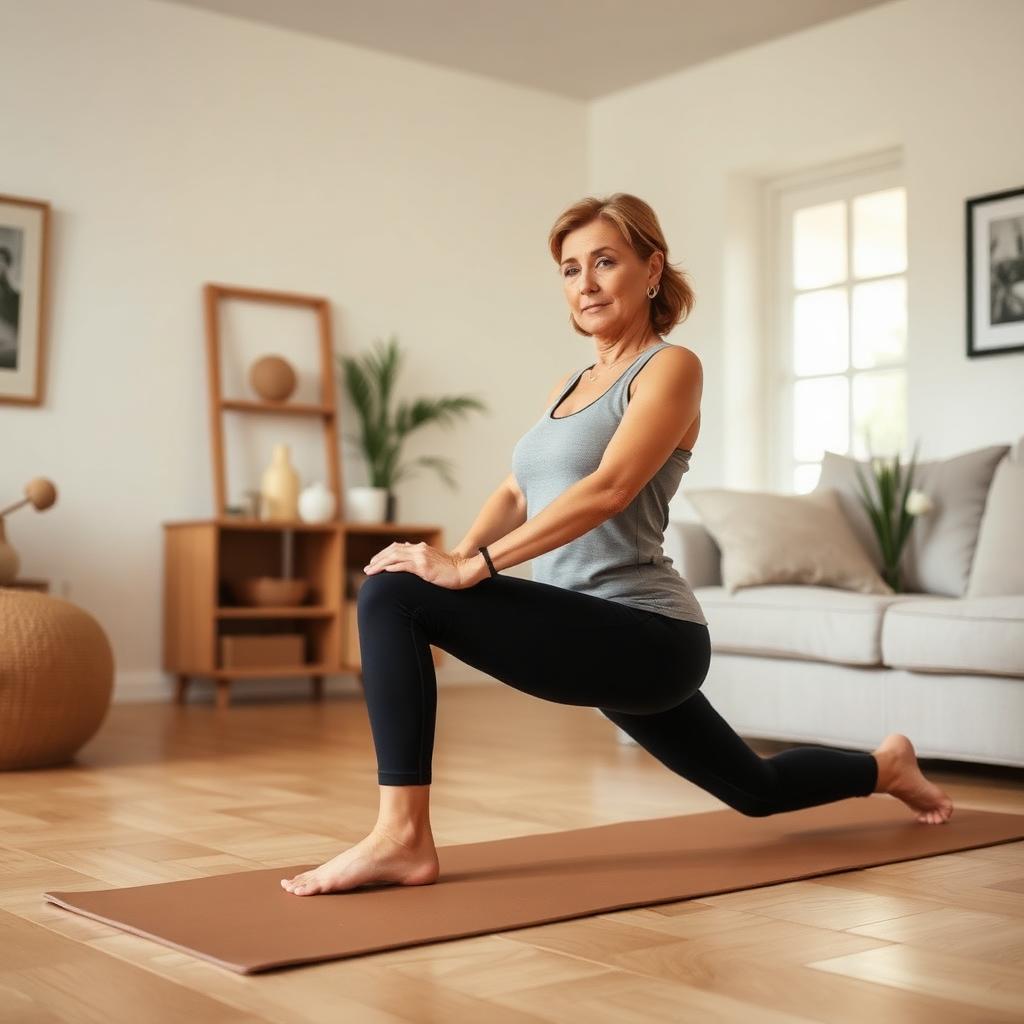
- Osteoporosis or osteopenia — avoid deep forward spinal flexion (traditional 'roll-ups'), replace with modified versions taught by an APPI-trained instructor.
- Prolapse — avoid heavy Valsalva breath-holding, avoid loaded impact until pelvic floor is assessed.
- Recent surgery (hysterectomy, hernia repair, C-section) — 8–12 weeks post-op minimum, with GP or surgeon clearance.
- Hypermobility — focus on control and joint stability, not stretch depth.
Pilates vs yoga vs strength — pick what to do when
- Pilates for spinal control, pelvic floor and posture.
- Yoga for nervous-system regulation, breath, hip mobility and community.
- Strength training for bone density, metabolism and long-term independence.
- Ideally you'd do all three in some ratio — but any one of them, done consistently, changes midlife.
Key takeaway
Pilates is quietly one of the best rehab and prehab tools for midlife bodies — precise, joint-friendly, and scalable from gentle mat work to demanding reformer sessions.
How Dr Awal approaches this in clinic
Every consultation starts with your full story — symptoms, cycle, medical history, family history and what you've already tried. From there we look at whether hormonal treatment, non-hormonal options, lifestyle changes or a combination will give you the best result, and we tailor the plan to your age, risk factors and preferences.
- A detailed 60 minute first appointment — no rushed 10-minute slots.
- Evidence-based recommendations aligned with NICE NG23 and BMS guidance.
- Body-identical HRT considered first-line where appropriate.
- Shared-care letters sent to your NHS GP so treatment can continue affordably.
- Follow-up at 3 months to fine-tune your regimen and address side effects.
- Ongoing annual reviews so your plan evolves with you.
Common questions we hear about this
Do I need to be at a certain age to be seen?
No. We see women in early perimenopause (often late 30s and 40s), through post-menopause and beyond. Age alone doesn't decide whether treatment is right — symptoms, health history and goals do.
Will my GP continue the prescription?
In most cases yes. After your consultation we send a detailed shared-care letter with the diagnosis, treatment plan and rationale so your NHS GP can prescribe on the NHS. Not every practice accepts shared care — we'll discuss this in your appointment.
What if I've tried HRT before and it didn't suit me?
Very common — often the type, dose or route wasn't right rather than HRT itself. We review what you've tried, why it didn't work, and adjust accordingly. Many women who thought HRT wasn't for them do well on a different preparation.
How long will I need to stay on treatment?
There is no set upper time limit for HRT. Current BMS and NICE guidance supports continuing HRT for as long as the benefits outweigh the risks for you personally. We review this together every year so you stay in control of the decision.
Where do you see patients?
All consultations at Pause and Co Healthcare are conducted securely via video, allowing us to support patients anywhere in the UK. Prescriptions and shared care arrangements are managed in the same way, regardless of your location.
About the author
Dr Nadira Awal is a British Menopause Society Advanced Menopause Specialist with 15+ years' NHS and private experience. She holds the BMS Advanced Certificate in Menopause Care, sits on the BMS Programme Planning Group, and advises the UK Government Menopause Strategy Group. Read her full profile.
Sources & further reading
General information only — not a substitute for personalised medical advice. Always speak to your GP or a menopause specialist about your own situation.
Talk it through
Book a private consultation with Dr Awal
Get evidence-based, personalised advice on pilates for menopause and any related concerns.
Related in Movement
Continue reading
Strength Training for Menopause
Why lifting weights is non-negotiable in midlife — for bones, muscle and mood.
Read guide

Zone 2 Cardio Explained
The quiet, conversational cardio that transforms midlife metabolic health.
Read guide
Yoga for Menopause
How yoga supports mood, sleep and joint comfort — and what styles help most.
Read guide