
Movement
Walking Your Way Through Menopause
The most underrated menopause medicine — and how to make it count.
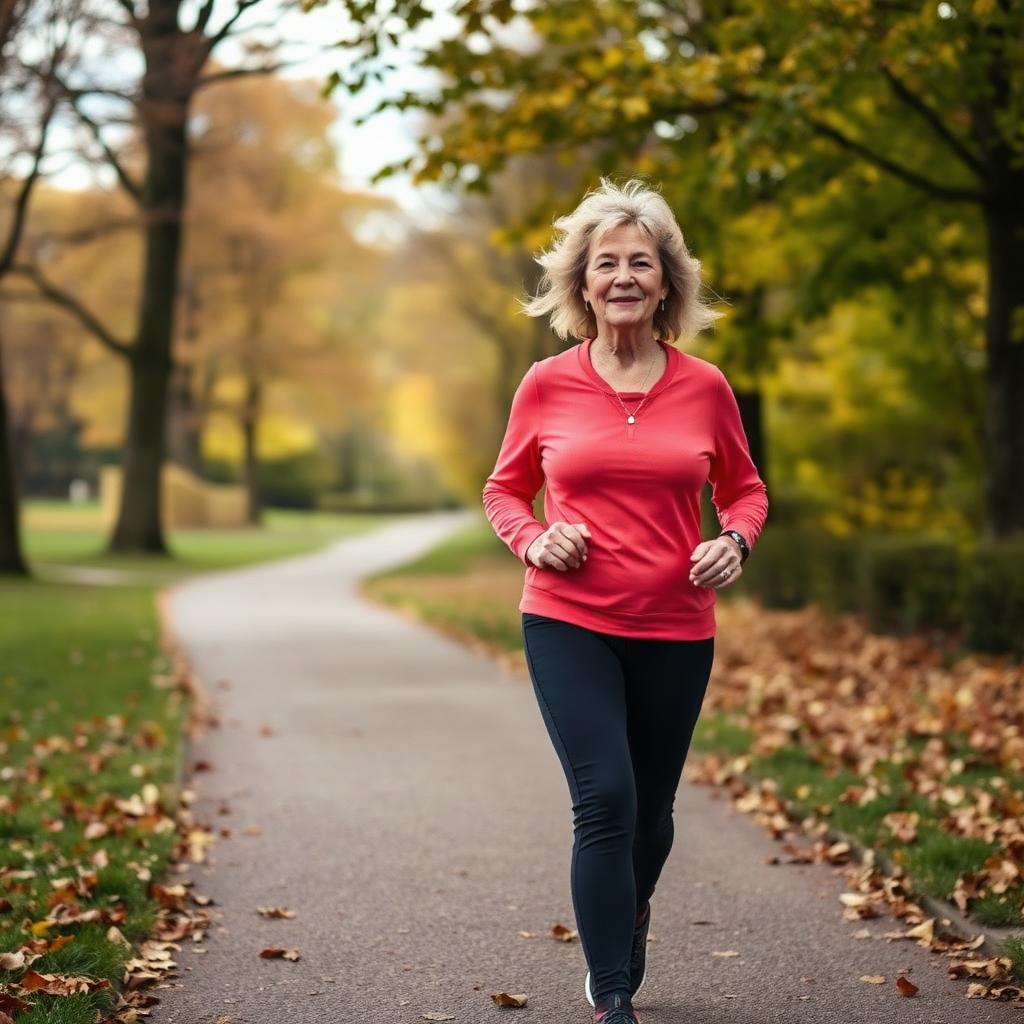
Daily brisk walking supports weight, mood, sleep, blood pressure and blood sugar. Add an incline or a small backpack to level up.
If I could prescribe one intervention for every menopausal woman, it would be a daily walk outdoors in daylight. Walking is the most underrated menopause medicine we have: free, low-injury-risk, endlessly scalable, and remarkably effective across almost every outcome that matters in midlife — mood, sleep, cognition, blood pressure, blood sugar, weight, bone density, and long-term cardiovascular and dementia risk. It's the closest thing to a universal midlife health intervention, and it works whether you start at 4,000 steps or 12,000. The evidence for walking specifically in perimenopausal and postmenopausal women is now substantial, with dose-response benefits from around 4,400 steps a day and diminishing (but not zero) returns above 10,000.
Why walking hits so many midlife levers at once
- Cardiovascular fitness — a 2023 meta-analysis showed just 30 minutes brisk walking 5 days a week reduces cardiovascular mortality by around 25% in postmenopausal women.
- Blood sugar — a 10-minute post-meal walk blunts glucose spikes by up to 30%, particularly useful for insulin resistance that increases post-menopause.
- Blood pressure — 150 minutes weekly reduces systolic BP by 4–8 mmHg.
- Bone — weight-bearing walking maintains hip bone mineral density, especially with a weighted vest.
- Mood — outdoor walks reduce depressive symptoms with an effect size comparable to first-line SSRIs in mild-moderate depression.
- Cognition — daily walking is associated with 30–40% lower dementia risk in longitudinal cohorts.
- Sleep — morning daylight anchors circadian rhythm; even 10 minutes shifts melatonin timing.
The daily basics
- Aim for 7,000–10,000 steps most days — the biggest health gains are between 4,400 and 7,500 steps; anything above adds fitness rather than survival.
- Morning daylight walk within an hour of waking — sets circadian rhythm and supports sleep that night.
- A 10-minute post-meal walk after lunch or dinner — the single highest-yield blood sugar intervention.
- Break up sitting every 60–90 minutes with 2–3 minute movement snacks — matters as much as the daily total.
How to level up without needing a gym
- Add hills or stairs 2–3 times a week for cardiovascular intensity and glute strengthening.
- Use a weighted vest (5–10% of bodyweight, worked up gradually) for extra bone loading — increasingly evidence-supported in postmenopausal women.
- Rucking — walking with a weighted backpack — is efficient dual cardio and strength.
- Nordic walking with poles increases upper-body engagement by around 20% and is easier on knees.
- Interval walking — alternating 3 minutes brisk with 3 minutes easy — improves VO2 max faster than steady walking.
Making it stick — the habit science
- Pair it with something you already do (podcast, phone call, coffee run) — habit stacking is more reliable than motivation.
- Walk with a friend on set days — the social accountability doubles adherence in trials.
- Track it — habit follows measurement. A basic step counter is enough; a smartwatch is a nice-to-have.
- Have a bad-weather backup: mall, treadmill, stairs — remove excuses.
- Aim for consistency over perfection — 20 minutes daily beats 90 minutes once a week.
Walking safely in perimenopause
- Well-fitted, supportive trainers replaced every 500 miles — joint pain in perimenopause is often footwear-related.
- Warm up with 3–5 minutes easy walking before hills or pace pickups.
- If joint pain flares, shorten distance, drop the weighted vest and consider strength training 2× weekly as an anti-inflammatory intervention.
- Osteoporosis: walking is safe and beneficial; add strength work and avoid deep spinal flexion.
What it protects — long term
- Cardiovascular disease, type 2 diabetes, dementia, hip fracture, depression, colorectal and breast cancer risk — all lower in women who walk daily.
- Menopausal weight redistribution — walking alone won't remove visceral fat, but combined with strength training and adequate protein it's remarkably effective.
Key takeaway
If you did nothing else — walk daily, outdoors, in daylight, most days. The lowest-risk, highest-yield midlife health intervention we have.
How Dr Awal approaches this in clinic
Every consultation starts with your full story — symptoms, cycle, medical history, family history and what you've already tried. From there we look at whether hormonal treatment, non-hormonal options, lifestyle changes or a combination will give you the best result, and we tailor the plan to your age, risk factors and preferences.
- A detailed 60 minute first appointment — no rushed 10-minute slots.
- Evidence-based recommendations aligned with NICE NG23 and BMS guidance.
- Body-identical HRT considered first-line where appropriate.
- Shared-care letters sent to your NHS GP so treatment can continue affordably.
- Follow-up at 3 months to fine-tune your regimen and address side effects.
- Ongoing annual reviews so your plan evolves with you.
Common questions we hear about this
Do I need to be at a certain age to be seen?
No. We see women in early perimenopause (often late 30s and 40s), through post-menopause and beyond. Age alone doesn't decide whether treatment is right — symptoms, health history and goals do.
Will my GP continue the prescription?
In most cases yes. After your consultation we send a detailed shared-care letter with the diagnosis, treatment plan and rationale so your NHS GP can prescribe on the NHS. Not every practice accepts shared care — we'll discuss this in your appointment.
What if I've tried HRT before and it didn't suit me?
Very common — often the type, dose or route wasn't right rather than HRT itself. We review what you've tried, why it didn't work, and adjust accordingly. Many women who thought HRT wasn't for them do well on a different preparation.
How long will I need to stay on treatment?
There is no set upper time limit for HRT. Current BMS and NICE guidance supports continuing HRT for as long as the benefits outweigh the risks for you personally. We review this together every year so you stay in control of the decision.
Where do you see patients?
All consultations at Pause and Co Healthcare are conducted securely via video, allowing us to support patients anywhere in the UK. Prescriptions and shared care arrangements are managed in the same way, regardless of your location.
About the author
Dr Nadira Awal is a British Menopause Society Advanced Menopause Specialist with 15+ years' NHS and private experience. She holds the BMS Advanced Certificate in Menopause Care, sits on the BMS Programme Planning Group, and advises the UK Government Menopause Strategy Group. Read her full profile.
Sources & further reading
General information only — not a substitute for personalised medical advice. Always speak to your GP or a menopause specialist about your own situation.
Talk it through
Book a private consultation with Dr Awal
Get evidence-based, personalised advice on walking your way through menopause and any related concerns.
Related in Movement
Continue reading
Strength Training for Menopause
Why lifting weights is non-negotiable in midlife — for bones, muscle and mood.
Read guide
Zone 2 Cardio Explained
The quiet, conversational cardio that transforms midlife metabolic health.
Read guide
Yoga for Menopause
How yoga supports mood, sleep and joint comfort — and what styles help most.
Read guide